



Culinary Clash of Titans
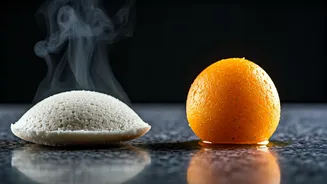
The internet was set ablaze when a seemingly lighthearted social media exchange, comparing the humble idli to the sweet rasgulla, took a turn into a deep
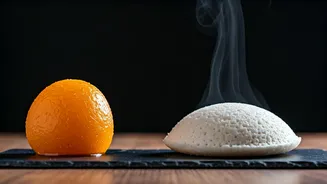
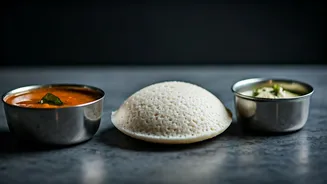
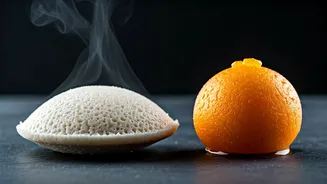
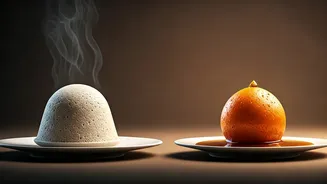
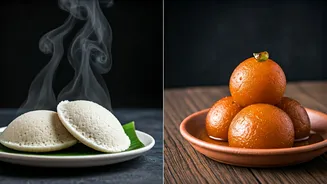
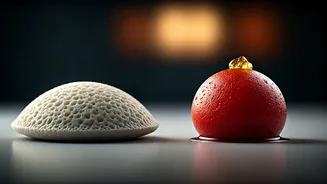
exploration of food identity. What began as a user's dismissal of rasgulla as a mere 'idli in sugar syrup' quickly captured national attention, prompting none other than Shashi Tharoor, the noted parliamentarian and wordsmith, to step in. Tharoor’s meticulously articulated response not only defended the idli but also highlighted the profound differences between the two dishes, emphasizing that such comparisons represent a 'cosmological misunderstanding' rather than a simple culinary oversight. He eloquently detailed the distinct ingredients, preparation methods, and the very essence of each dish, transforming a casual debate into a rich discourse on regional pride and the emotional connections Indians share with their food.
Science Behind the Steamed Cloud
Shashi Tharoor's passionate defense of the idli positioned it as more than just a breakfast staple; he hailed it as a "masterclass in biotechnology." This assertion is rooted in the complex science of fermentation, a process perfected over centuries in Indian kitchens long before the advent of modern microbiology. The traditional method of preparing idli batter, involving the precise ratio of parboiled rice and urad dal, allows for the growth of beneficial microorganisms like Lactobacillus. These microbes not only aid in digestion but also break down complex carbohydrates and neutralize anti-nutrients, while simultaneously producing essential B-vitamins. This ancient practice of controlled fermentation, relying on ambient temperature and the introduction of natural microflora, was a sophisticated way to preserve and enhance the nutritional value of food in India's tropical climate, demonstrating an ingenious, intuitive grasp of biological processes that continues to be a hallmark of South Indian cuisine.
More Than Just Food
The heated online exchange underscored a fundamental truth: food in India is rarely just about sustenance; it's intrinsically linked to identity, culture, and deep-seated regional pride. When dishes like the rasgulla or idli are trivialized or inaccurately compared, it resonates as an affront to the collective heritage and meticulous craftsmanship of a community. Food serves as a powerful 'cultural shorthand,' carrying with it the history, traditions, and unique 'terroir' of its origin. The idli, for instance, symbolizes the patience and refined techniques of South India, while the rasgulla represents a significant innovation in Bengali and Odia confectionery. These culinary markers are often the first elements people carry with them when migrating and the last to be relinquished during assimilation, highlighting their role as anchors of personal and collective identity.
The Art of Fermentation
Achieving the perfect idli, despite its deceptively simple appearance, is a testament to the nuanced art of fermentation. Experts highlight that the success of an idli hinges critically on this microbial process. Factors such as the precise ratio of rice to urad dal, the quality of fermentation, the fineness of the batter's grind, its aeration, and the steaming duration all must harmonize. Even slight variations in climate or the specific strains of microflora present can dramatically alter the final texture, transforming a potentially light and airy steamed cake into a dense, heavy disc. This sensitivity underscores why homemade idlis can sometimes differ significantly from restaurant versions, where controlled environments and established fermentation cultures often yield consistently superior results, showcasing fermentation as the true, ancient biotechnological marvel behind this beloved dish.