




Duty Relief Incoming
A significant shift is on the horizon for motorcycle imports into India, largely due to an anticipated interim trade agreement with the United States.
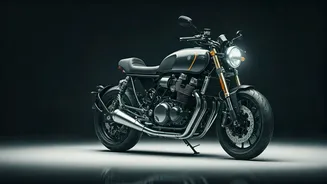
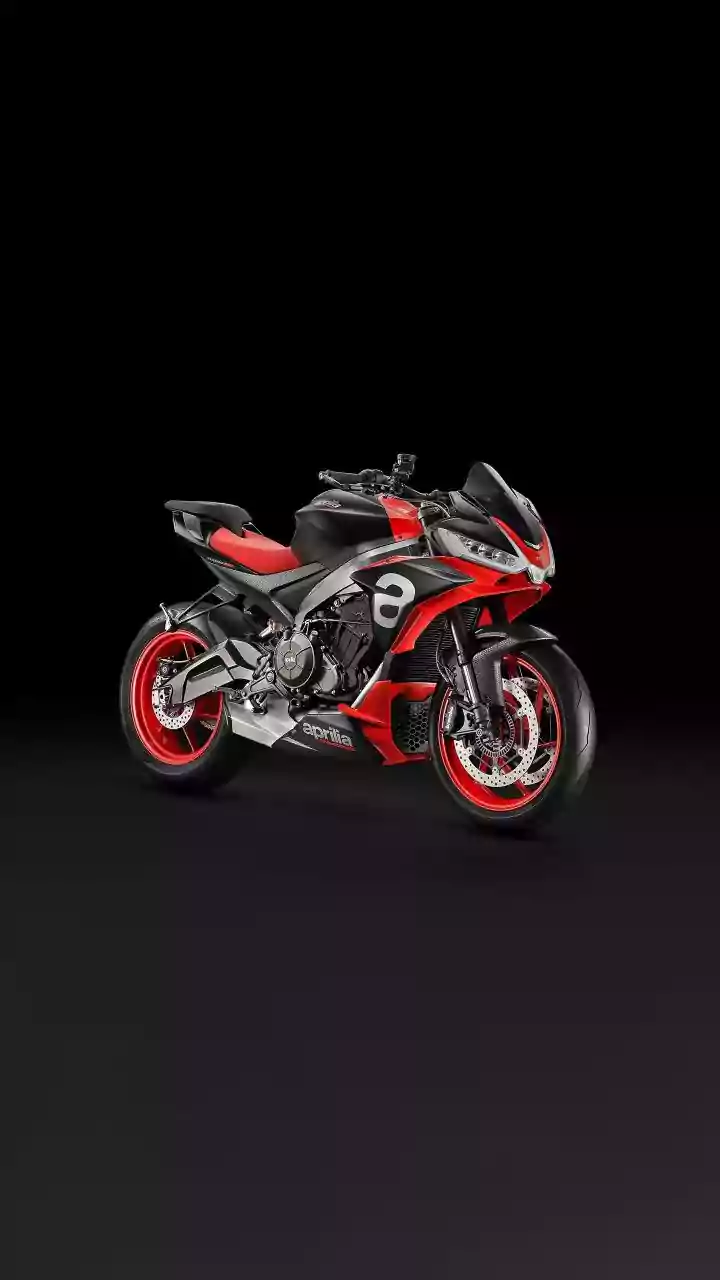
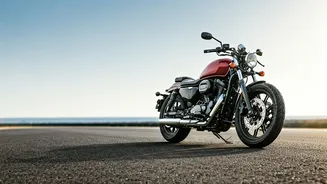
Reports suggest that American motorcycle manufacturers are poised to be primary beneficiaries of this pact, which is expected to grant them duty-free access for certain models. Specifically, the Indian government is reportedly planning to exempt motorcycles with engine capacities ranging from 800 cc to 1,600 cc and above from import duties. This exemption is slated to take effect as soon as the trade deal is implemented, with projections pointing towards a mid-March finalization. This development follows a prior reduction in import duties in 2025, where taxes on fully built units up to 1,600 cc decreased from 50% to 40%, and for bikes exceeding 1,600 cc, the duty was lowered from 50% to 30%. The proposed zero-duty access could dramatically alter the cost structure for imported bikes, making them considerably more competitive within the Indian market.
Market Implications & Past Exits
The Indian market for high-end, premium motorcycles, while growing, remains a niche segment, and the presence of US automakers has historically been quite limited. In fact, a major American manufacturer previously withdrew from India in 2020 due to sluggish sales performance. To re-engage with the market, a partnership was later established with a prominent Indian company, focusing on joint development and sales of premium bikes, with the Indian partner taking charge of service and spare parts logistics. This recent trade development aligns with persistent efforts by US officials to advocate for lower import tariffs, aiming to invigorate sales for American brands like Harley-Davidson in India. The historical context of reduced duties, including the 2025 adjustments, underscores a trend towards making larger displacement motorcycles more attainable for Indian consumers.
Broader Automotive Concessions
Beyond motorcycles, the proposed trade agreement may extend benefits to other segments of the automotive industry. Indian officials have indicated a willingness to offer concessions on imported American vehicles, potentially reducing combined taxes that can currently soar as high as 110% for high-end imported vehicles, down to as low as 30%. This could provide a substantial boost to American automotive brands operating in India. Furthermore, India is reportedly considering duty concessions on US-manufactured diesel vehicles exceeding 2,500 cc and petrol vehicles above 3,000 cc. While India is a burgeoning global auto market, it has traditionally protected its domestic industry with substantial import tariffs ranging from 70% to 110%. For American automakers that have previously scaled back their operations in India, these changes could signal a renewed opportunity for market participation, with certain brands potentially seeing more immediate gains due to existing market positioning.
Electric Vehicles Await
The current scope of the proposed trade agreement does not appear to include electric vehicles (EVs). This means that anticipated exemptions or duty reductions are not on the table for electric cars at this moment. This stance could present a challenge for companies, including those looking to expand their presence in the Indian market by importing vehicles, who have been advocating for lower import duties. Meanwhile, domestic automotive players are likely to find the current structure of concessions favorable, potentially alleviating concerns about increased competition from imported vehicles in certain segments. It's worth noting that India has also engaged in discussions with other regions, such as the European Union, regarding free trade agreements that could lead to tariff reductions on a variety of vehicles, including some electric models, albeit under different negotiation frameworks.