






Altitude's Diabetes Puzzle
For a long time, a fascinating observation has puzzled scientists: individuals residing in elevated regions, like the Andes and the Himalayas, consistently
exhibit lower incidences of diabetes. While this correlation has been noted, the underlying mechanisms have remained elusive. Recent scientific investigations are now proposing a compelling explanation, which is intricately linked to the body's adaptive responses when faced with environments deficient in oxygen. This new research shifts the focus to the surprising capabilities of red blood cells in regulating glucose metabolism under such conditions, potentially unlocking new avenues for understanding and managing diabetes.
Low Oxygen, Lower Sugar
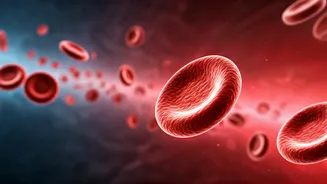
When the body encounters a scarcity of oxygen, a condition known as hypoxia, it initiates a series of adjustments to compensate. Emerging research, particularly an experiment conducted on mice, suggests that one significant adaptation involves red blood cells actively absorbing surplus glucose from the bloodstream instead of merely using it for energy. These red blood cells then convert this glucose into a compound that plays a crucial role in facilitating oxygen delivery to the body's tissues. This finding underscores the vital, and previously underestimated, importance of red blood cells in the complex interplay of diabetes management, offering a novel target for future therapeutic strategies. The ability of these cells to sequester glucose in low-oxygen states is a key revelation.
Experimental Revelations
To probe this phenomenon further, scientists subjected one group of mice to an environment with a mere 8% oxygen concentration, mimicking high-altitude conditions, while a control group remained in standard air with 21% oxygen. Following several weeks, both groups were administered glucose injections. The results were striking: the mice from the low-oxygen setting displayed significantly blunted glucose spikes, indicating a more rapid processing of sugar. This enhanced glucose clearance persisted even after the mice were returned to normal oxygen levels, suggesting a lasting metabolic shift. Detailed analysis revealed that the observed drop in blood glucose couldn't be fully attributed to the uptake by primary glucose-absorbing organs like the liver and muscles, prompting researchers to investigate the role of blood cells.
Red Blood Cells Under Scrutiny
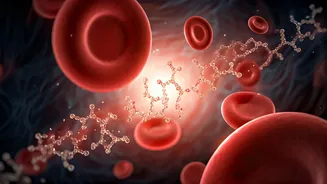
Subsequent investigations powerfully validated the hypothesis that red blood cells were instrumental in this glucose-lowering effect. Experiments demonstrated that artificially reducing the count of red blood cells in oxygen-deprived mice negated the glucose-reducing impact. Conversely, increasing red blood cell concentration in mice breathing normal air led to a reduction in their blood sugar levels. By meticulously tracking glucose within the animals' systems, researchers discovered that red blood cells exposed to low-oxygen conditions absorbed approximately three times more sugar than usual. This heightened absorption was linked to an increased presence of GLUT1, a protein essential for glucose transport into cells. The absorbed glucose was then transformed into a molecule that binds to haemoglobin, assisting in the more efficient release of oxygen, a critical process during oxygen deprivation.
Diabetes Treatment Horizons
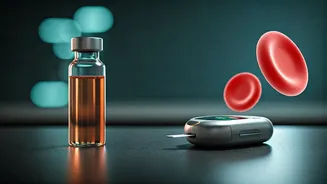
These groundbreaking findings possess the potential to revolutionize approaches to diabetes treatment. Researchers are exploring experimental interventions like HypoxyStat, a drug designed to artificially induce a low-oxygen state within the body by influencing haemoglobin's interaction with oxygen. While these avenues hold promise, the scientific community emphasizes that extensive further research is imperative before any human clinical trials can commence. Nevertheless, this study fundamentally alters our perspective on diabetes, moving beyond a sole focus on insulin deficiency to encompass the complex interplay between red blood cell function, oxygen regulation, and glucose management.