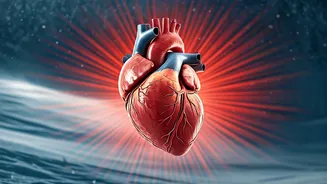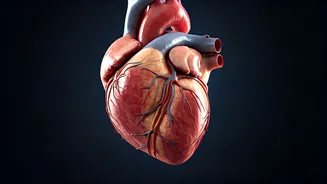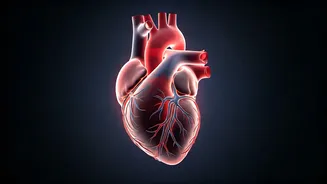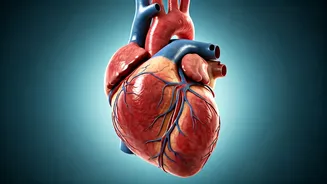




The Sudden Heart Threat
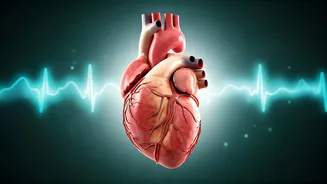
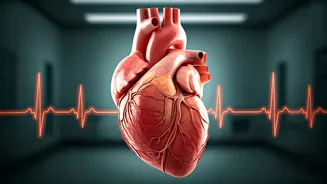
Clearing snow, while seemingly benign, presents a potent danger to the cardiovascular system. Cardiologists highlight that heart attacks linked to this
winter chore frequently manifest within the very first 10 to 15 minutes. This isn't due to some inherent magical property of snow, but rather a confluence of dangerous physiological responses. Dr. Dmitry Yaranov explains that snow shovelling creates a 'perfect storm' by combining sudden, intense physical exertion with the body's reaction to cold. This often happens when individuals, perhaps after periods of inactivity, abruptly engage in strenuous activity. The rapid increase in demand on the heart, before the body can adequately adapt, creates a critical window of vulnerability, making the initial moments of shovelling the most hazardous.
Why Snow Shovelling is Risky
Snow shovelling uniquely combines several factors that severely stress the heart. Firstly, the sudden, intense exertion demands a significant increase in oxygen supply. Compounding this is the effect of cold temperatures, which cause blood vessels to constrict (vasoconstriction) to conserve body heat. This narrows the arteries, increasing blood pressure and forcing the heart to work much harder to circulate blood. Furthermore, the act of lifting heavy, wet snow, often accompanied by holding one's breath (a Valsalva maneuver), leads to a sharp spike in blood pressure. For individuals with pre-existing, perhaps undiagnosed, coronary artery disease, this abrupt surge in cardiac workload can drastically reduce blood flow to the heart muscle, potentially triggering a heart attack. The unaccustomed nature of this effort, unlike regular household tasks, makes it particularly perilous for sedentary individuals.
Cold Weather's Impact
The frigid environment intensifies the danger of snow shovelling. Cold weather actively changes how your heart and blood vessels function. As the body attempts to retain heat, peripheral blood vessels constrict, leading to higher blood pressure and an increased workload for the heart. Simultaneously, cold exposure can elevate stress hormones like adrenaline, which accelerate the heart rate and further boost the heart's oxygen requirements. When this is combined with the physical demands of shovelling, the heart's need for oxygen can outstrip its supply, especially if arteries are already narrowed by plaque. This critical mismatch between oxygen demand and supply significantly elevates the risk of experiencing chest pain, irregular heart rhythms, or even a full-blown heart attack during these winter activities.
Safety Precautions to Take
To mitigate the risks associated with snow shovelling, adopting a cautious approach is paramount. Experts strongly advise against treating snow shovelling as an intense workout; rushing or attempting to 'power through' is particularly dangerous. Breaking down the task into smaller, manageable sessions with frequent breaks is crucial. When lifting snow, opt for smaller loads whenever possible and focus on using your legs rather than straining your upper body. Remember to bend at the hips and knees, keep the load close to your body, and avoid any twisting motions. Proper warm-up exercises before starting are essential to prepare your body for the exertion. Dressing in layers helps regulate body temperature and reduces cold stress. Individuals with pre-existing health conditions like high blood pressure, diabetes, or a history of heart disease should exercise extreme caution and may even consider avoiding heavy snow shovelling altogether. Any symptoms such as chest discomfort, shortness of breath, dizziness, or unusual fatigue should be taken very seriously and warrant immediate medical attention.