




Internal Causes of Hair Fall
Many individuals experience hair thinning and loss not merely from external environmental stressors like pollution or harsh hair care products, but rather
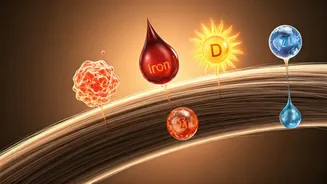
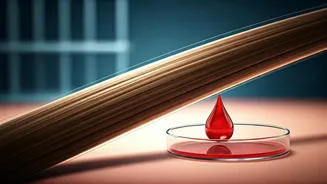
from underlying internal issues. Modern lifestyles, characterized by rapid pace and consumption of adulterated or nutrient-poor foods, often lead to a decline in hair quality as one of the first noticeable impacts. The digital and print media are saturated with countless hair remedies promising miraculous transformations. Recently, a beauty brand highlighted specific blood tests that could potentially be instrumental in preserving hair health, suggesting that persistent hair issues stem from untreated internal causes. The recommended tests focused on iron levels, vitamin deficiencies, and hormonal assessments, underscoring the connection between our internal bodily state and the condition of our hair.
Iron Deficiency and Hair
Iron deficiency, a prevalent concern particularly among women, can have a significant detrimental effect on hair health. Dr. Shitij Goel, a Senior Consultant – Dermatology, explains that iron is crucial for transporting oxygen to the hair follicles via red blood cells. When iron levels are insufficient, these follicles are deprived of adequate oxygen and essential nutrients. This oxygen starvation can force hair into a resting phase prematurely, leading to increased shedding and noticeable hair fall. This condition is especially common in women who experience heavy menstrual bleeding or have a diet that is lacking in iron-rich foods. Addressing iron deficiency through proper supplementation or dietary adjustments can be a vital step in restoring hair vitality.
Vital Vitamins and Zinc
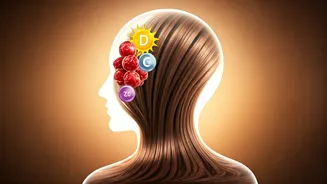
Beyond iron, deficiencies in certain vitamins and minerals like Vitamin D, Vitamin B12, and Zinc are also strongly implicated in hair health issues. Dr. Goel points out that Vitamin D plays a supportive role in the formation of new hair follicles. Vitamin B12 is essential for ensuring that oxygen is efficiently delivered to the scalp, nourishing the hair roots. Meanwhile, Zinc is critical for tissue repair mechanisms and maintaining the optimal function of the sebaceous glands surrounding the hair follicles, which produce natural oils. A lack of any of these key nutrients can manifest as hair thinning, a noticeable slowdown in hair growth, and an overall increase in hair shedding, highlighting the interconnectedness of nutrient intake and robust hair growth.
Hormonal Impact on Hair
Hormonal imbalances represent another significant contributor to hair loss. Dr. Goel specifically mentions thyroid hormones and androgens as key players. Both an underactive thyroid (hypothyroidism) and an overactive thyroid (hyperthyroidism) can lead to diffuse hair thinning across the scalp. Similarly, imbalances in androgen levels, which are often associated with conditions like Polycystic Ovary Syndrome (PCOS) in women, can disrupt normal hair growth cycles. These imbalances might result in pattern baldness, particularly in men, or a general, significant thinning of hair in both genders, emphasizing the profound influence hormones have on our hair's structure and growth.
Tests as Guides, Not Cures
While these blood tests are invaluable, it's important to understand their role in managing hair loss. Dr. Goel clarifies that these tests do not directly 'save' your hair in the sense of an immediate cure. Instead, they serve as crucial diagnostic tools. By identifying the underlying deficiencies or hormonal irregularities, these tests provide a clear roadmap for targeted and personalized treatment. This approach moves away from a trial-and-error method, allowing dermatologists to prescribe interventions that directly address the root cause of the hair fall, leading to more effective and sustainable results for improved hair health.