






The GBIT Vision
Karnataka is breathing new life into the Greater Bengaluru Innovation and Tech City (GBIT) project, a colossal 7,481-acre undertaking designed to be an AI-powered
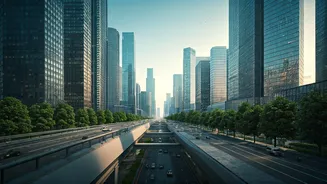
urban hub. Situated near Bengaluru, this futuristic township is envisioned as a self-contained ecosystem encompassing residences, workplaces, educational institutions, and recreational areas. The core aim is to alleviate the city's notorious traffic congestion and cultivate a sustainable, walkable environment. By integrating all facets of daily life—work, living, and leisure—within close proximity, GBIT seeks to dramatically reduce the need for long commutes, fostering a healthier and more efficient urban lifestyle for its inhabitants. This ambitious project, initially conceived nearly 15 years ago, is now being revived by the Greater Bengaluru Development Authority with a clear objective: to create India's premier AI-focused city.
Addressing Bengaluru's Woes
Bengaluru grapples with intense traffic jams and overwhelming urban sprawl, particularly in established IT zones like Electronic City and Whitefield. These areas developed primarily as commercial centers, compelling hundreds of thousands of professionals to endure lengthy daily journeys between their offices and homes. Officials anticipate that GBIT will serve as a crucial solution to these persistent issues. By strategically co-locating business and residential zones, the project aims to significantly cut down travel times and enhance the overall quality of life for residents. Furthermore, GBIT is positioned to steer Bengaluru's future expansion towards its southern regions, a departure from decades of concentrated growth in the north which has strained existing infrastructure and housing resources. This strategic redistribution of growth is expected to create a more balanced urban development across the city.
Pillars of the AI City
The planned AI city is structured around three fundamental pillars: work, living, and recreation. For 'Work,' GBIT will host a state-of-the-art Central Business District, meticulously designed to attract and accommodate companies at the forefront of artificial intelligence, machine learning, and data analytics. This district will also feature dedicated hubs for startup incubation, fostering innovation alongside established corporate entities. The 'Live' aspect focuses on creating sophisticated residential communities equipped with advanced schools, multi-specialty hospitals, lush parks, and convenient government service centers. AI-driven civic utilities are slated to ensure consistent power and water supply. Lastly, the 'Play' component emphasizes vibrant recreational offerings, including expansive lakes, public parks, cultural venues, and substantial sports infrastructure, such as an international cricket stadium and Olympic-standard training facilities, ensuring a well-rounded lifestyle.
Sustainability in Design
Sustainability is an intrinsic element woven into the fabric of GBIT's master plan, with nearly 950 acres dedicated to serene lakes and verdant green buffer zones. The township is meticulously designed with a triple-zero goal: zero carbon emissions, zero waste generation, and zero traffic congestion. This commitment is visibly manifested in the urban layout, which prioritizes walkable neighborhoods and robust cycling infrastructure, encouraging eco-friendly mobility. The integration of residential and commercial spaces within close proximity further supports a reduced carbon footprint by minimizing travel distances. This holistic approach to urban planning underscores a dedication to creating an environmentally responsible and health-conscious living environment for all its residents, setting a new benchmark for sustainable urban development in India.
Connectivity and Future Scope
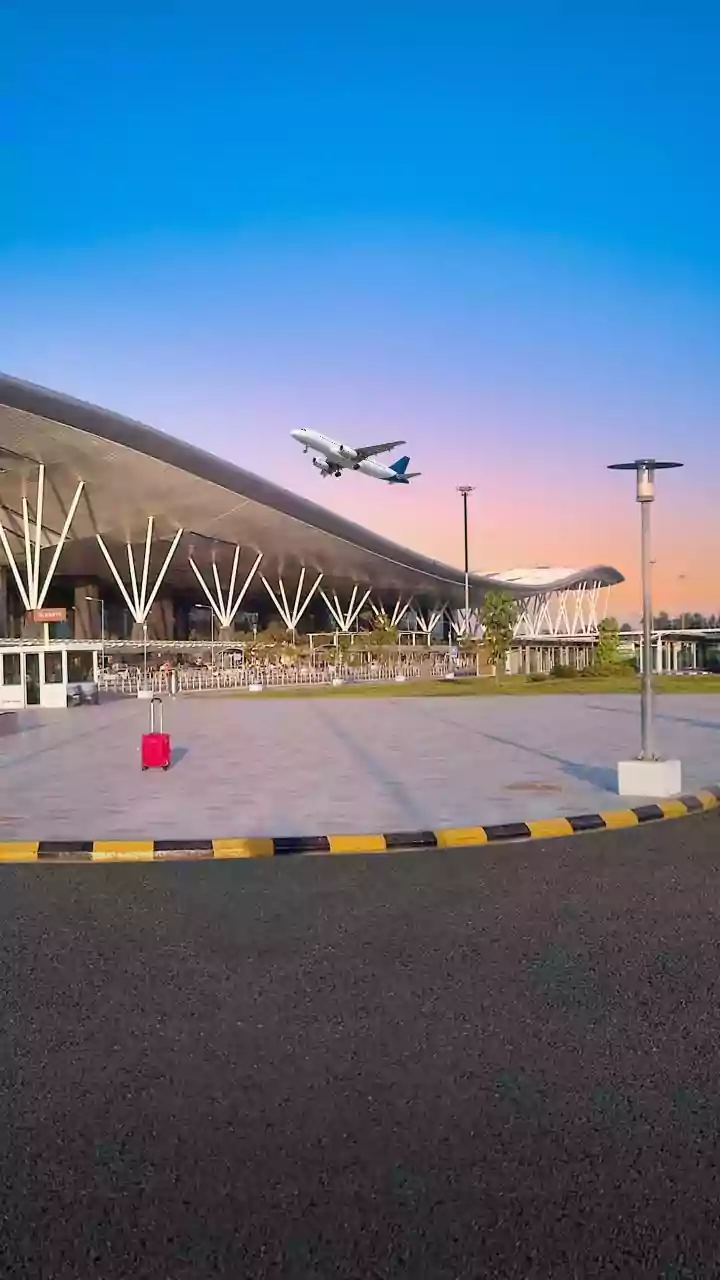
Connectivity is a cornerstone of the GBIT project, with planned direct access to major roadways including NH-275, NH-209, and the NICE Road network. Enhancing public transport, Phase 3 expansion of the Bengaluru Metro is projected to extend towards Bidadi, potentially positioning the AI city within a 30-40 minute journey from central Bengaluru. Moreover, authorities are actively exploring the feasibility of a second international airport for Bengaluru, with potential sites under consideration in the southern region, such as Kanakapura Road and the Nelamangala-Kunigal Road corridor. Such an airport would significantly boost international connectivity for GBIT and alleviate pressure on the existing Kempegowda International Airport Bengaluru. The revival of GBIT after a 15-year hiatus signifies a commitment to realizing this forward-thinking urban vision.