





Selecting Smart Snacks
When it comes to dried fruits and heart health, not all choices are created equal, according to experts. For individuals managing cardiovascular well-being,
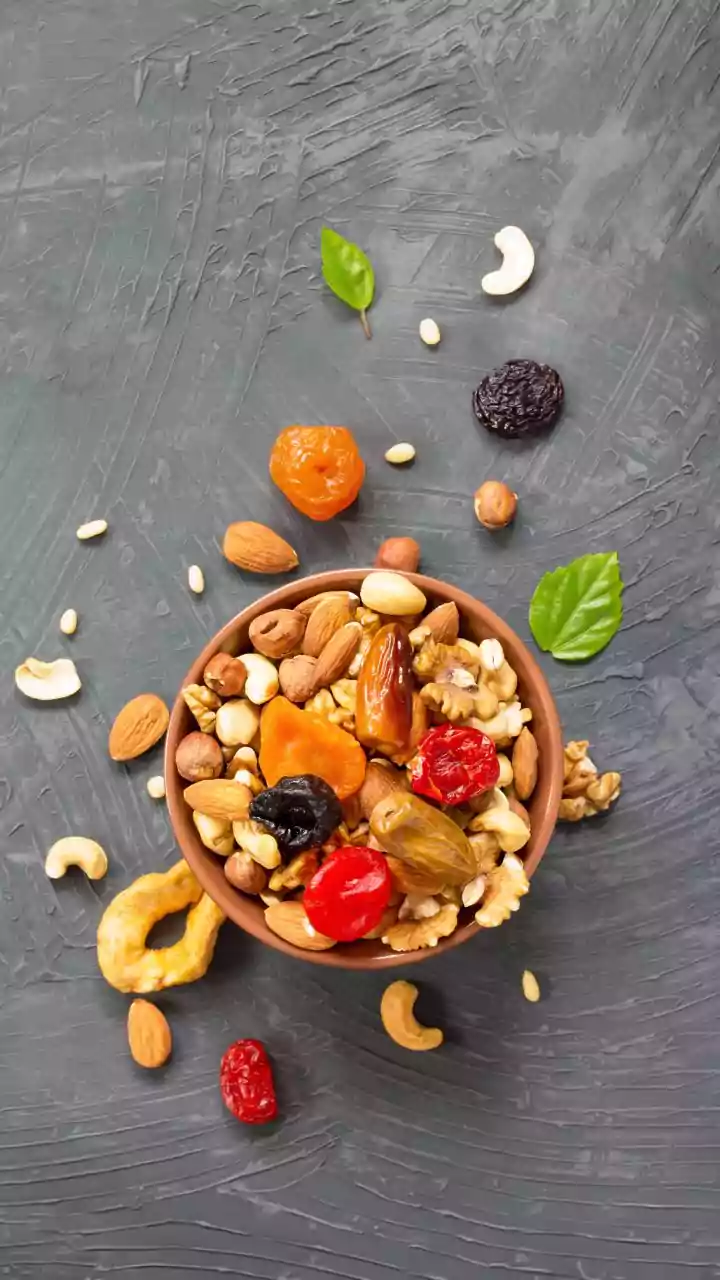
prioritizing nuts like almonds, walnuts, and pistachios is key. These powerhouses are packed with beneficial unsaturated fats, essential fiber, and potent antioxidants that actively contribute to maintaining optimal heart function. Their composition aids in keeping cholesterol levels in check. Additionally, small servings of naturally dried fruits such as raisins and figs can also be incorporated due to their valuable fiber and micronutrient profiles, offering a gentle yet effective boost. The critical factor is mindful selection, steering clear of options that have undergone significant processing, such as those heavily laden with added sugars, candied treatments, or excessive salt, as these can undermine your efforts by increasing sodium and sugar intake, posing a risk to heart health.
Navigating Natural Sugars
Dried fruits, while naturally sweet, concentrate their sugars significantly, necessitating a cautious approach, particularly for those monitoring blood sugar levels due to diabetes or metabolic conditions. It's important to remember that even natural sugars still contribute to overall sugar intake. To mitigate potential spikes in blood glucose, a strategic consumption method is recommended. Dt Amreen Sheikh suggests pairing dried fruits with nuts or consuming them following a meal, rather than on an empty stomach. This approach helps to buffer the absorption of sugars, promoting a more stable blood sugar response. Understanding this balance is crucial for integrating these nutrient-dense snacks into a heart-healthy diet without compromising glycemic control.
Cholesterol & BP Benefits
Incorporating specific dried fruits into your diet, when done judiciously, can yield tangible improvements in cholesterol profiles and blood pressure management. Walnuts and almonds, for instance, stand out for their heart-healthy fat content, which has been observed to contribute to better cholesterol levels over time. Furthermore, certain dried fruits are rich in potassium, a vital mineral for blood pressure regulation. Raisins and apricots are excellent examples, offering a natural source of this nutrient. However, the realization of these benefits is predicated on consistent, moderate consumption rather than infrequent, large portions. Adherence to recommended serving sizes is paramount to reap rewards without adverse effects. Overindulgence, even with healthy foods, can lead to excessive calorie intake, potentially causing weight gain, a known risk factor for heart disease, highlighting the critical importance of portion awareness.
Portion Control is Key
Even the most beneficial foods can have detrimental effects when consumed in excessive amounts, and dried fruits are no exception. To harness their heart-friendly properties without risking negative health outcomes, strict portion control is essential. A small handful of nuts, approximately 5 to 10 pieces, or a mere 1 to 2 tablespoons of dried fruits, represents a safe and recommended daily intake. This guideline helps prevent overconsumption of calories, which can indirectly contribute to weight gain and exacerbate heart disease risk factors. Many individuals underestimate the calorie density of dried fruits, making adherence to these modest serving sizes crucial for maintaining a balanced diet and supporting overall cardiovascular health. Mindful eating and accurate portioning are the cornerstones of making dried fruits a truly beneficial addition to your diet.