




Delimitation Dispute Erupts
The political climate in Tamil Nadu has dramatically intensified following Chief Minister M.K. Stalin's strong denunciation of the Union government's proposed
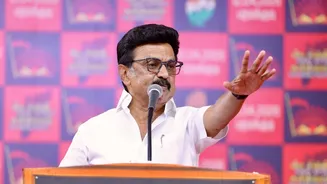
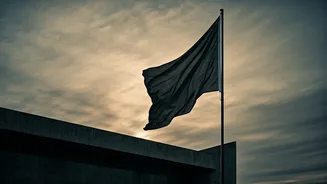
delimitation exercise. Stalin has characterized the plan as a direct threat to the autonomy and development of southern Indian states, particularly Tamil Nadu. This escalation follows a sharp warning issued the previous day, indicating a significant federal dispute. In response to the looming legislation, Stalin convened an urgent virtual meeting with his party's district secretaries. Simultaneously, the Dravida Munnetra Kazhagam (DMK) has mobilized its cadre for statewide black flag protests scheduled for the following day, Thursday. This coordinated action signifies a swift transition from verbal opposition to organized, on-the-ground political mobilization, positioning the delimitation issue as a major flashpoint in recent federal relations.
Southern States Under Threat?
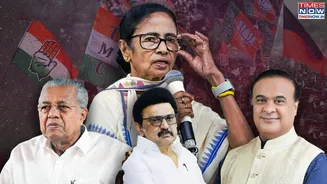
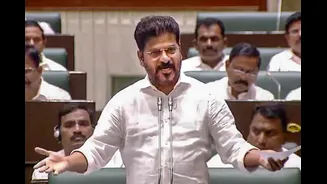
Chief Minister Stalin articulated his grave concerns in a potent message, framing the proposed delimitation as a punitive action against Tamil Nadu and other southern states for their successful contributions to India's economic progress. He questioned, "Is punishment being meted out to Tamil Nadu and the southern states for the crime of striving for India’s growth?" labeling the impending legislation as a "massive historic injustice." Stalin further warned of a widespread regional backlash, stating that "Every South Indian south of the Vindhyas is boiling with rage. The BJP is playing with fire." He announced that black flags would be hoisted in homes and public areas throughout Tamil Nadu as a symbol of dissent. He issued a stern ultimatum to the Union government, asserting, "If the Union government refuses to heed Tamil Nadu’s voice and withdraw, you will have to face the consequences. For this, you will have to pay a heavy price." This statement, made in his capacity as DMK president, underscores the gravity with which the party views the situation.
DMK Mobilizes for Protest
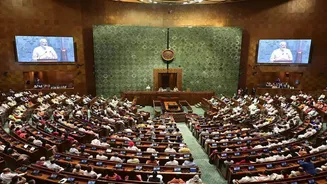
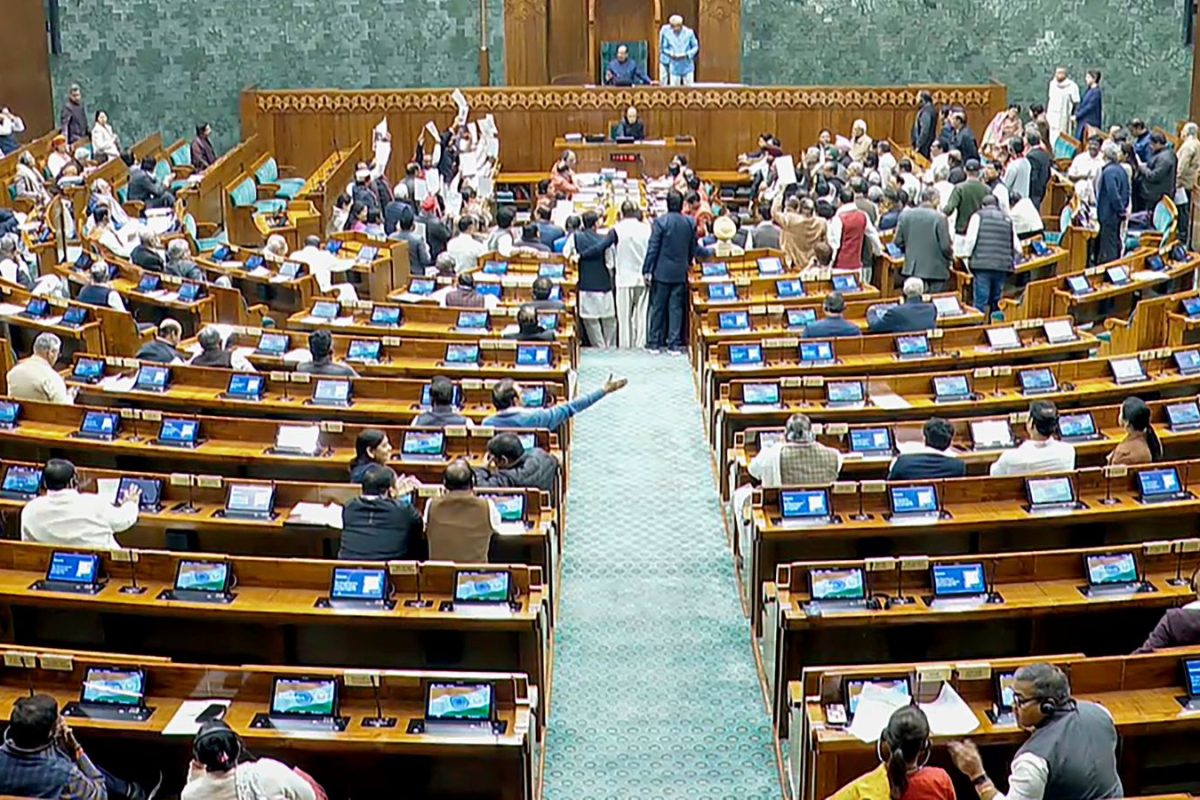
The recent actions by the DMK signal a strategic move to elevate the delimitation issue beyond a state-specific concern and transform it into a broader political question impacting the entire South India. The urgent meeting of district secretaries was designed to meticulously coordinate the upcoming protests, strategize messaging, and ensure effective outreach efforts in the critical hours leading up to the anticipated introduction of the delimitation amendment bill in Parliament. Party officials confirmed that the virtual session would focus on consolidating organizational strength and public communication. This proactive mobilization aims to create a united front against the proposed changes, potentially influencing parliamentary debate and public opinion across the region.
Understanding Delimitation's Sensitivity
While the Union government has not yet issued a formal response to CM Stalin's latest remarks, the underlying issue of delimitation has historically been a point of contention for southern states. The process involves redrawing parliamentary constituencies based on population figures. States in the South, having demonstrated greater success in controlling population growth compared to some northern counterparts, view any delimitation based on current population data as potentially disadvantageous. This demographic disparity fuels concerns that a new delimitation could disproportionately reduce their representation in Parliament, leading to a perceived erosion of their political influence and a setback in the ongoing efforts to balance regional development and representation.