






Tariff Reduction Impact
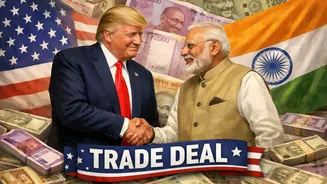
The alteration of import tariffs to 18% has significantly benefited India, giving it a considerable edge over its regional counterparts in the export arena.
This strategic move provided Indian exporters with a financial advantage. These reductions in tariffs played a pivotal role in strengthening India's position, especially in comparison to economic powerhouses like China and Bangladesh. The drop to 18% was a crucial factor, influencing trade dynamics and enabling India to enhance its export figures.
Beating China, Bangladesh
India's success in increasing exports became evident as it managed to surpass both China and Bangladesh, countries known for their substantial global trade presence. This achievement pointed toward India's strengthening competitiveness in the export market. The ability to outperform these competitors highlighted the effectiveness of India's recent economic policies, particularly those involving trade tariffs. This turn of events also suggested a shift in the balance of power, with India rising as a prominent force in regional exports. These were indeed significant markers of progress.
Strategic Advantage Explained
The reduction of tariffs to 18% wasn't simply a policy adjustment; it was a strategic move aimed at boosting India’s export competitiveness. Lower tariffs provided domestic exporters with improved profit margins. This advantage enabled Indian companies to offer their goods at more competitive prices on the international market, thereby increasing demand. By targeting tariff rates, India was able to strengthen its position relative to other countries that hadn’t implemented similar measures. This strategic decision was therefore key in ensuring India’s place as a key player in the regional trade arena.
Economic Implications Explored
The outcome of India's success in exports extends beyond mere market share gains, carrying far-reaching economic implications. The rise in exports usually stimulates production and manufacturing, thus generating job opportunities within the nation. Increased economic activities also tend to attract foreign investments as India's global image improves. Consequently, the success in exports could contribute to a rise in the country's GDP. The combined effect indicates robust economic growth and improved financial stability for India.
Future Export Outlook
Considering the current trends, the outlook for Indian exports appears promising. The strategic application of tariff policies, coupled with improvements in export competitiveness, sets the stage for continuing growth. This positive outlook also depends on how the global economy evolves, including market dynamics and any shifts in international trade regulations. India, by continuing its strategic approach and maintaining focus on export goals, is well-positioned to maintain its competitive advantages and achieve sustainable growth in the years to come. This makes for a positive and optimistic future.