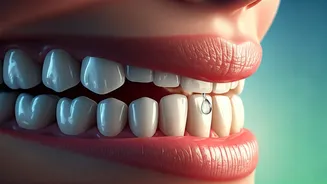







Understanding Dry Mouth
Dry mouth, also known as xerostomia, becomes more prevalent in summer due to external factors like heat and personal habits. Increased outdoor exposure,
where individuals are more likely to be dehydrated from sweating and prolonged periods under the sun, contributes significantly to this condition. The body's response to heat often involves reduced saliva production as a means to conserve water. This can lead to a sticky, uncomfortable sensation in the mouth, difficulty speaking or swallowing, and an increased risk of dental issues like cavities and gum disease. Recognizing the triggers and understanding the underlying mechanisms are the first steps toward effective management and prevention.
Hydration is Key
The cornerstone of combating summer dry mouth is consistent hydration. It's crucial to drink water not just when you feel thirsty, but to sip small amounts regularly throughout the day. This proactive approach ensures your body maintains adequate fluid levels. Beyond plain water, incorporating hydrating beverages such as coconut water, buttermilk, and freshly squeezed juices can be beneficial. These drinks not only quench thirst but also provide essential electrolytes. Conversely, it's advisable to limit intake of beverages that can exacerbate dryness, including those high in caffeine, alcohol, and sugar. These substances can have a dehydrating effect, counteracting your hydration efforts. Additionally, dietary choices play a role; overly spicy or excessively salty foods can deplete oral moisture, so opting for balanced, lighter meals is recommended for maintaining a comfortable mouth environment.
Natural Remedies & Habits
Beyond internal hydration, several external and natural methods can significantly alleviate dry mouth. One effective practice is oil pulling, a traditional Ayurvedic technique. By swishing a tablespoon of oil, such as sesame or coconut oil, in your mouth for about 15-20 minutes and then spitting it out, you can stimulate saliva production and cleanse the oral cavity. Doing this before bed can also help prevent dry mouth caused by mouth breathing during sleep, contributing to healthier gums and fresher breath. Another simple yet effective habit is chewing sugar-free gum. This action mechanically stimulates the salivary glands, promoting a more consistent flow of saliva. Incorporating fruits with high water content, like watermelon and cucumber, into your diet also contributes to oral hydration from within. These natural approaches work in tandem with internal hydration to create a moist and healthy oral environment.
Oral Hygiene & Prevention
Maintaining meticulous oral hygiene is paramount in preventing and managing dry mouth. Brushing your teeth twice daily, coupled with gentle tongue cleaning, removes bacteria and food particles that can contribute to discomfort and odor. When selecting mouthwash, it is essential to opt for alcohol-free formulations. Alcohol-based mouthwashes can strip the mouth of its natural moisture, thus worsening dryness. Alcohol-free alternatives clean the mouth and help maintain a moist environment without adverse effects. For individuals who spend extended periods outdoors, protecting oneself from the sun's heat and avoiding prolonged direct sunlight exposure are crucial preventive measures. Furthermore, consciously breathing through your nose rather than your mouth can significantly reduce moisture loss from the oral cavity, thereby preventing dryness. If dry mouth persists or causes significant discomfort, it is advisable to seek professional medical advice, as it could indicate underlying health issues or medication side effects.