
Oil Flow Reconfiguration
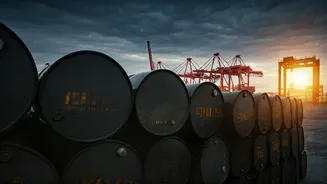
India's strategic position in the global oil market is undergoing a notable transformation. The reconfiguration of worldwide oil flows has significantly
impacted India's crude lifelines, with the country adapting to new supply chains and partnerships. These adjustments are likely in response to evolving international dynamics and underscore the resilience and adaptability of India's energy sector. The shifts reflect the need for India to secure reliable energy sources amid global uncertainties. This strategic realignment is indicative of India's proactive approach to ensuring energy security.
Trade Talks Resumed
Following a strategic meeting, the United States and India have resumed virtual trade discussions. This signifies a renewed emphasis on strengthening economic ties and addressing critical trade issues. The restart of these talks underscores the mutual commitment to expanding trade relationships between the two nations. These discussions are intended to foster cooperation and resolve trade-related matters. It reflects a positive trajectory in bilateral economic relations, aiming for mutually beneficial outcomes that could boost trade volumes and open new avenues for investment and collaboration.
Inflationary Pressures Rise
In December, wholesale inflation in India experienced an uptick, reaching an eight-month high of 0.83%. This increase is an indicator of the economic challenges the nation faces. Rising wholesale inflation typically suggests increased costs for businesses, which could affect prices for consumers. Monitoring this trend is essential for understanding the overall health of the economy and for the creation of economic policies to address the pressures, thus stabilizing market forces.
RBI and FEDAI Recognition
The Reserve Bank of India (RBI) has officially acknowledged the Foreign Exchange Dealers Association of India (FEDAI) as a self-regulatory organization (SRO) for authorized dealers. This recognition provides FEDAI with more authority in managing and monitoring its member institutions. This is aimed at improving the oversight of foreign exchange transactions and ensuring adherence to regulatory standards. The RBI's move is projected to bring greater discipline and transparency to currency markets, which will ultimately support the stability and effectiveness of the foreign exchange sector.
Global Risk Assessment
According to a World Economic Forum (WEF) report, geoeconomic confrontation is emerging as a top global risk. The report suggests that geopolitical tensions are the primary risk to the international community. The rising complexity of international relations, especially concerning trade, security, and technology, is predicted to cause global instability. This warning highlights the imperative to navigate these complexities and foster cooperation among nations, emphasizing the need for robust global governance and diplomatic efforts to mitigate potential crises.
Export Preparedness Rankings
In 2024, Maharashtra has surpassed Tamil Nadu in NITI Aayog's export preparedness index. This change shows a shift in the landscape of export readiness among Indian states. This index analyzes various factors, including infrastructure, policy support, and export performance, to assess states' preparedness for global trade. Maharashtra's improved standing demonstrates its growing focus on boosting exports and becoming a prominent player in the global market. These achievements showcase the ongoing efforts and strategic steps taken by the state to support economic growth and international trade.