




A Taste of Kerala
Actor Sudha Chandran recently shared her deep-rooted love for South Indian cuisine, a passion that has also captivated her husband, Ravi Dang. Chandran revealed
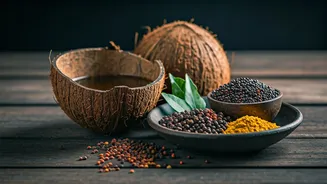
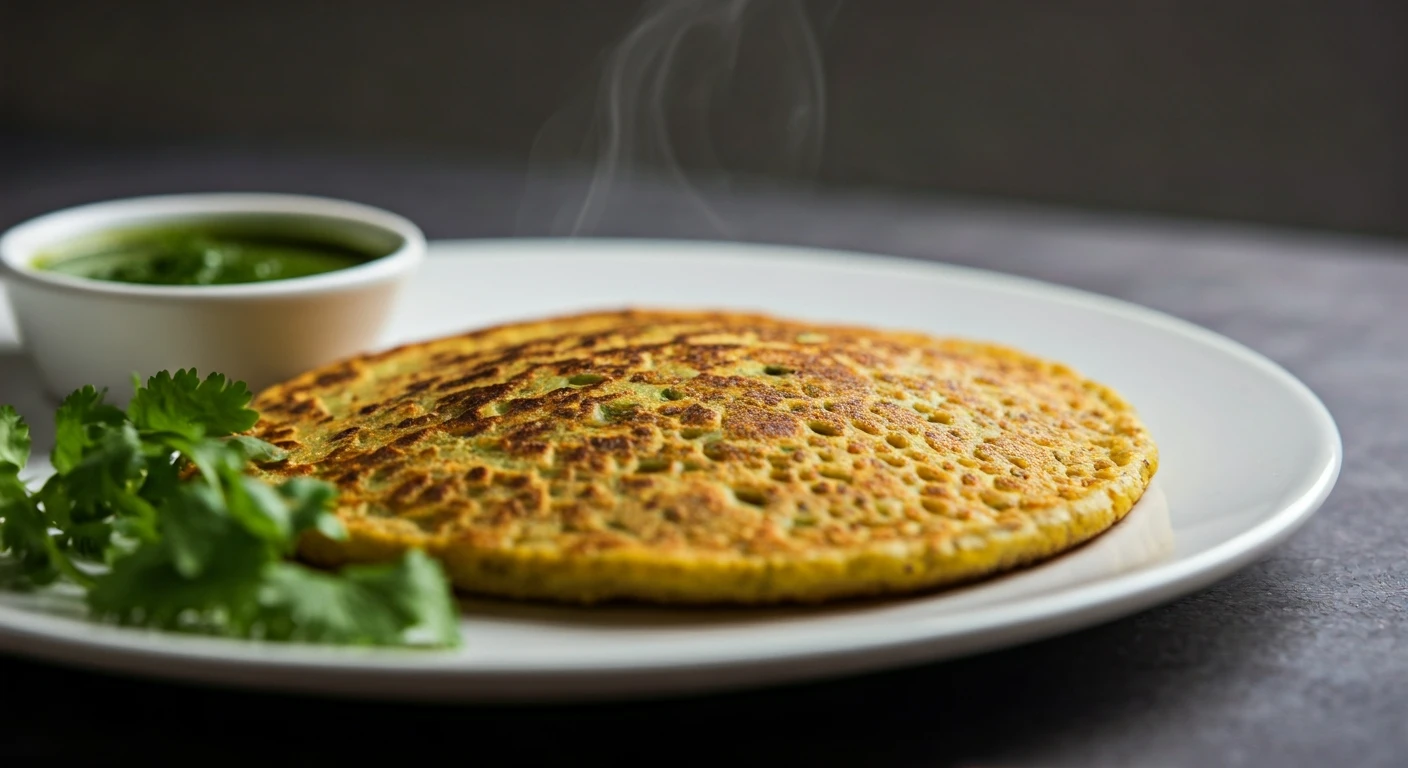
that her daily meals are predominantly South Indian, often featuring dishes like avial, and she consistently uses coconut oil in her cooking. This culinary preference presented a learning curve for her husband, who, being Punjabi, was initially unfamiliar with coconut oil. She fondly recalled his first encounter with Kerala's food during a visit to her hometown in Thrissur. Dishes like Puttu Kadala became a surprising hit with him, much to her delight. However, a culinary adventure involving puri, fried in coconut oil, proved to be a slight challenge for his palate, though he thoroughly enjoys other Kerala specialties such as appam, olan, and avial, appreciating the nutritional benefits offered by Kerala's rich array of spices.
Coconut Oil in Cooking
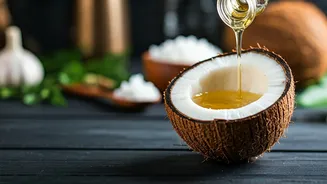
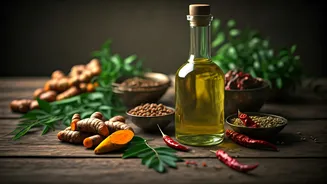
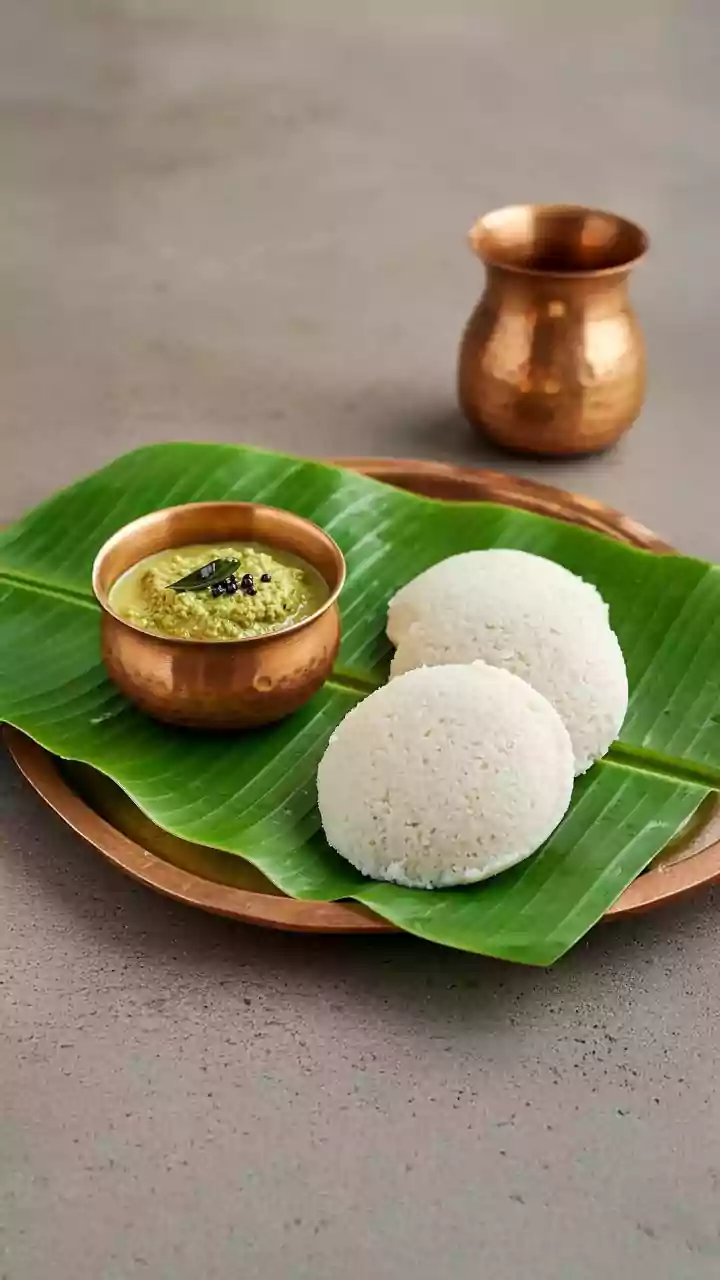
Dietitian Amreen Sheikh from KIMS Hospitals, Thane, shed light on the widespread use of coconut oil in South Indian kitchens. This oil is a good source of medium-chain triglycerides (MCTs), which are metabolized differently from other fats, offering a quick energy source. However, Sheikh emphasized that coconut oil is a saturated fat, and moderation is key. Consuming it in small amounts within traditional preparations is generally acceptable for healthy individuals, provided the overall diet is well-balanced with fiber, vegetables, lentils, and whole grains. Issues can arise if coconut oil is used excessively or if an individual already has a high total fat intake. A traditional South Indian thali, comprising items like idli, dosa, sambar, rasam, vegetable poriyal, curd, and rice, can be very nutritious, incorporating fermentation for gut health, protein from lentils, and fiber from vegetables. The balance is disrupted by excessive consumption of deep-fried snacks, refined rice, and too much oil, highlighting that preparation methods and portion sizes are more critical than the cuisine itself.
Health and Weight
Regarding the common concerns about coconut oil contributing to weight gain or heart problems, Sheikh clarified that weight gain is primarily a result of consuming more calories than expended, rather than a single ingredient. Coconut oil is calorie-dense, meaning liberal and frequent use can significantly increase calorie intake. For individuals with pre-existing high cholesterol levels or a family history of heart disease, it is advisable to be cautious. Diversifying fat intake by rotating oils such as groundnut, sesame, or mustard oil and maintaining a varied fat profile can be a beneficial strategy for heart health. The emphasis remains on a holistic approach to diet and mindful consumption of all fats, rather than singling out one ingredient as inherently problematic.
Balancing Heritage and Health
For those wishing to adhere to their cultural food habits while maintaining a healthy lifestyle, Sheikh offered encouraging advice. She stated that there is no necessity to abandon traditional foods; in fact, culturally rooted diets are often more sustainable in the long run. The focus should be on adopting mindful portion control, increasing protein intake through sources like dals and curd, incorporating a greater variety of vegetables into every meal, and limiting fried side dishes. Achieving good health does not necessitate forsaking one's heritage; instead, it requires a conscious effort towards balance and awareness in dietary choices. This approach ensures that cultural identity and well-being can coexist harmoniously.