





FTA: Textile Revolution
The India-European Union Free Trade Agreement (FTA) is poised to bring about a significant transformation in India's textile sector. This agreement, when
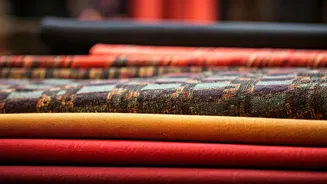
fully implemented, will grant Indian textile exporters better access to the European market, which is one of the largest and most demanding markets in the world. The elimination or reduction of tariffs, as stipulated in the FTA, will lower the cost of Indian textiles, making them more competitive against rivals from other nations. This means Indian textile products, ranging from garments and fabrics to home textiles, will become more affordable and attractive to European consumers. Such enhanced market access is expected to lead to a surge in exports, boosting the revenues and profitability of Indian textile businesses. The FTA also promotes investments in the Indian textile industry. Foreign investors, attracted by the potential for high returns and a more predictable trade environment, will be inclined to put their money in the Indian market, bringing in technological advancements, boosting employment, and enhancing the overall competitiveness of the sector. The FTA is more than just a trade agreement; it is a catalyst for economic growth and industry modernization.
Boosting Exports, Revenue
One of the most immediate benefits of the India-EU FTA for the textile sector is the anticipated boost in exports. The reduction of trade barriers, including tariffs and other non-tariff measures, will make Indian textile products more accessible and competitive in the European Union. Currently, Indian textile exports face significant tariffs in the EU market, which reduces their price competitiveness against goods from other countries. The FTA will likely eliminate or dramatically decrease these tariffs, leading to lower prices for Indian textiles in the EU market. This increased competitiveness is expected to result in a considerable rise in export volumes, enabling Indian textile exporters to expand their market share within the EU. The surge in exports will translate directly into increased revenues for textile businesses across India, creating jobs and stimulating economic activity. The expanded market access also presents opportunities for Indian manufacturers to diversify their product offerings and cater to the specific demands of European consumers, potentially leading to the development of higher-value-added textile products.
Investment & Modernization
The India-EU FTA has the potential to trigger substantial investments in India's textile industry. The improved access to the EU market and the more predictable trade environment are expected to attract both domestic and foreign investors. Foreign direct investment (FDI) can bring in much-needed capital for upgrading infrastructure, adopting new technologies, and expanding production capacity. These investments will play a vital role in modernizing India's textile industry, helping manufacturers to improve efficiency, reduce production costs, and enhance product quality. Modernization efforts can involve the adoption of advanced machinery and processes, enabling Indian companies to compete effectively with their global counterparts. Investments might also go into research and development, allowing Indian textile firms to create innovative products and stay ahead of consumer trends. Furthermore, the FTA could facilitate the transfer of technology and expertise from European companies to India, further boosting the industry’s capabilities. Overall, the FTA acts as a catalyst for modernization, leading to a more robust, competitive, and sustainable textile sector.
Sustainability & Compliance
The FTA provides a platform for promoting sustainable practices within India's textile sector. The EU is known for its stringent environmental standards and labor regulations, and the FTA includes provisions related to sustainable development and responsible business conduct. Indian textile manufacturers will need to align their operations with these standards to ensure they can fully leverage the advantages of the FTA. This alignment includes using environmentally friendly production processes, managing water resources efficiently, and reducing carbon emissions. Moreover, the FTA encourages fair labor practices, including safe working conditions and fair wages, which helps in creating a responsible and sustainable textile supply chain. To meet these standards, Indian textile companies may need to invest in green technologies, adopt sustainable materials, and improve waste management practices. This shift towards sustainability not only enhances competitiveness in the EU market but also contributes to the global effort to protect the environment and promote ethical business practices. The FTA, therefore, provides a dual benefit: opening up market access and facilitating the adoption of environmentally and socially responsible business practices.
Strategic Shifts Required
To fully capitalize on the opportunities presented by the India-EU FTA, the Indian textile industry must embrace strategic shifts. This includes investing in research and development to produce innovative and high-value-added products. By focusing on design, branding, and quality, Indian manufacturers can cater to the tastes of discerning European consumers and command premium prices. Moreover, the FTA requires Indian textile companies to improve efficiency and reduce costs to remain competitive. This could involve streamlining production processes, optimizing supply chains, and adopting new technologies. The industry also needs to upskill its workforce by investing in training and development programs to ensure that employees have the expertise needed to meet the demands of the European market. Collaborations between Indian and European companies, including joint ventures and technology transfer agreements, can facilitate market access and promote innovation. The Indian government can play a crucial role by providing policy support, including incentives for exports, infrastructure development, and skill development programs. This strategic alignment will help to create a resilient and competitive textile sector, capable of thriving in the global marketplace.