






GDP Growth Forecast
India's GDP is projected to achieve a robust growth rate of 6.9% in the fiscal year 2027. This optimistic outlook stems from ongoing government reform
measures aimed at boosting the economy. This positive trajectory highlights India's potential for sustained economic progress, driven by strategic policies and initiatives. The forecast suggests a period of expansion and development, creating possibilities for various sectors and participants within the economy. This indicates a favorable economic environment, potentially attracting investment and supporting job creation.
Home Loan Trends
Reports indicated that home loan interest rate cuts in 2025 were instrumental in improving housing affordability within India. This reduction in interest rates has made property ownership more accessible. These interest rate adjustments influenced the real estate market. This trend reflects how financial policies can have a direct impact on the housing sector, providing advantages to homebuyers. The effect of decreasing borrowing costs is to make purchasing property more appealing, encouraging investment and improving homeownership rates nationwide.
Personal Loan Growth
India witnessed a substantial surge in personal loan growth, reaching 35% in 2025. This increase was primarily driven by small-ticket loans. This growth shows a greater dependence on credit among individuals. It also indicates an expanding consumer market and easier access to financial assistance. The increase in personal loans is indicative of changing financial behaviors and the growing accessibility of credit products within India's financial system. The demand for personal loans is likely associated with the evolving financial requirements of individuals, supporting economic activity and consumption.
Real Estate Dynamics
In the realm of real estate, branded homes gained popularity in India. Over the past five years, there was a 55% rise in their adoption. Moreover, India's REIT market has grown significantly. It hit a valuation of Rs 2.3 lakh crore, outpacing Hong Kong in just six years. Also, India's retail sector is projected to attract $3.5 billion in investments in the next three years. Additionally, in 2025, net office leasing in the top seven cities reached a historic high of 55 million sq ft. These figures signal the sector's dynamism. They show rising investor confidence and a surge in demand for commercial and residential properties across India.
IPO Market Surge
India's primary market is set for a substantial expansion. It is anticipated to target Rs 4 lakh crore in 2026, positioning India as a global IPO hub. Several IPOs saw strong subscriptions. For example, Shyam Dhani IPO received 380.3x subscription and E to E Transportation Infra IPO listed at a 90% premium. The Indian market also saw high interest, demonstrated by the Modern Diagnostic IPO, which was subscribed 376.90x on its last day. This underscores strong investor interest and confidence in the Indian market. The IPO activity shows a buoyant environment for raising capital and the expansion of investment opportunities.
Taxation Changes
A significant change is on the horizon. A new income tax law is scheduled to be implemented from April 2026. This indicates an evolving tax system. There are other important deadlines too. The last date to file updated returns and revised returns was December 31. Furthermore, taxpayers needed to link their PAN with Aadhaar by December 31 to avoid complications. These dates highlight the necessity of timely adherence to tax regulations. These measures affect the financial responsibilities of Indian taxpayers and demand their awareness.
Banking Sector
The Reserve Bank of India (RBI) reported that Indian banks are showing strength. They experienced double-digit growth and diminishing non-performing assets (NPAs) during 2024-25. This reflects stability. The launch of ICICI Bank's Capital Gains Account Scheme aimed to help taxpayers claim exemptions. Banks such as HDFC Bank, also launched initiatives like allowing users to open fixed deposits, offering full repo rate interest. These events reveal the strength and innovations of the banking sector. They also highlight the industry's commitment to supporting both individuals and financial growth.
Market Volatility
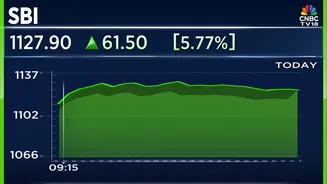
The stock market showed volatility. The Sensex and Nifty experienced fluctuations. Certain stocks, such as HDFC Bank, faced drops. Others, like Senco Gold, saw positive surges. Meanwhile, the gold rates remained in focus, with analysts assessing market movements. The shifts in the market underline the dynamics of investing and how various economic factors can influence financial performance. These instances highlight the necessity of staying informed and being mindful of market fluctuations in the context of investment strategies.
Other Financial Insights
There are different aspects to consider. For example, a report showed a 39% increase in housing launches in Delhi-NCR during Q4 2025. This shows expansion in certain regions. The government also planned to hike excise duty on items like cigarettes and pan masala starting February 1. Moreover, the report stated that there may be delays in income tax payouts if revised ITRs were not filed by December 31. Also, a deeper understanding of multi-asset funds helps investors. These points offer a detailed overview of the different financial factors impacting the Indian economy.