








Operational Launch Confirmed
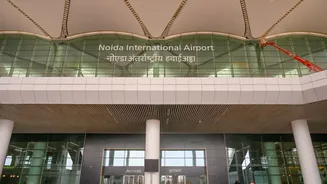
Authorities have officially announced that commercial flight operations at Noida International Airport will commence on June 15, 2026. This highly anticipated
launch follows the crucial approval of the Aerodrome Security Programme (ASP) by the Bureau of Civil Aviation Security, a testament to the airport's robust safety systems and adherence to stringent regulatory standards. The airport itself was previously inaugurated earlier this year on March 28, with the current announcement detailing the start of its passenger services. This strategic development is expected to significantly bolster the aviation infrastructure of the Delhi-NCR region and serve as a vital gateway for North India, catering to a growing demand for air travel and cargo services.
First Flights and Routes
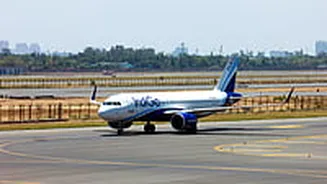
IndiGo has the distinct honor of operating the very first commercial flight from Noida International Airport, marking the official commencement of scheduled passenger services. Following closely in their footsteps, other prominent carriers such as Akasa Air and Air India Express are anticipated to begin their operations shortly thereafter. The initial network of routes will connect the airport to major metropolitan hubs across the country, including Mumbai, Bengaluru, Hyderabad, Kolkata, and Pune. Furthermore, plans are in place to expand the destination offerings, with approximately 10 new routes expected to be introduced within the first 45 days of the airport becoming fully operational, ensuring comprehensive connectivity for travelers.
Capacity and Expansion Projections
In its inaugural phase, Noida International Airport is projected to manage an annual passenger volume of around 12 million individuals. This figure represents a significant initial capacity designed to efficiently handle passenger traffic. Looking ahead, the airport's development is envisioned for substantial growth over the next 25 years, with capacity expected to escalate dramatically. Projections indicate a future throughput of between 60 million and 120 million passengers per annum, a scale that would position it among the largest and busiest airports not only in India but on a global scale. This ambitious expansion plan underscores the long-term vision for the airport as a premier aviation facility.
Advanced Security Systems
The airport has been meticulously designed with state-of-the-art security measures to ensure the safety and efficiency of passenger and cargo movements. Central to its security infrastructure are over 350 high-resolution CCTV cameras strategically placed throughout the premises, providing comprehensive surveillance. The perimeter is secured by electric fencing, offering an advanced layer of protection. Operations are coordinated from a unified 24/7 security operations centre, enabling real-time monitoring and rapid response capabilities. These technological advancements are crucial for maintaining a secure environment and building passenger confidence in the airport's safety protocols.
Passenger Processing Efficiency
Passenger experience at Noida International Airport is set to be streamlined through advanced processing infrastructure. During its first phase, the airport will feature 13 security check lanes equipped with automated tray retrieval systems, significantly speeding up the screening process. In-line baggage screening technology will further enhance efficiency, while full-body scanners and walk-through detectors will be deployed to ensure both security and a smooth passenger flow. These integrated systems are designed to minimize wait times and optimize the overall journey for travelers, creating a modern and user-friendly airport environment that prioritizes both safety and convenience.
Regional Connectivity Boost
Upon becoming operational, Noida International Airport will serve as a vital complement to the existing Indira Gandhi International Airport, helping to alleviate air traffic congestion in the bustling Delhi-NCR region. This new facility is expected to substantially enhance air connectivity for passengers, airlines, and cargo operators across North India, offering greater accessibility and reducing travel times. The development represents a significant stride in India's ongoing aviation expansion efforts, aimed at effectively meeting the escalating demand for air travel and strengthening the nation's overall infrastructure capabilities, thereby fostering economic growth and improving logistical networks.