




Ancient Wisdom Rediscovered
Long before the advent of air conditioning, ancient Indian civilizations, notably the Indus Valley Civilization over 3,000 years ago, harnessed the inherent
cooling properties of terracotta. This time-tested material, a form of baked clay, was ingeniously employed to combat scorching heat. The fundamental principle at play is natural evaporation, a process akin to how our bodies cool through perspiration. By utilizing the porous nature of terracotta, moisture gradually seeps through, and its subsequent evaporation draws heat away from the surrounding environment. This traditional practice, still visible in many rural areas where earthen pots are used to keep water naturally cool without any electrical power, has been a cornerstone of comfortable living for millennia. Insights into this ancient knowledge have been published, highlighting its efficacy and historical significance as an energy-free solution for temperature regulation.
Terracotta's Cooling Mechanism
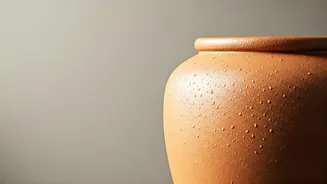
The exceptional cooling capabilities of terracotta stem directly from its unique physical composition. Composed of natural clay, this material is characterized by a multitude of microscopic pores that allow air and moisture to permeate its structure. When water infiltrates these tiny channels and reaches the surface, it begins to evaporate. This phase transition, from liquid to gas, requires energy, which is absorbed from the immediate surroundings. This absorption of heat leads to a noticeable drop in temperature on the terracotta's surface, creating a cooling effect. Furthermore, terracotta is a poor conductor of heat, meaning it resists the rapid transfer of external warmth into an enclosed space. This characteristic, combined with its organic nature that facilitates a gradual exchange of heat rather than a sudden surge, allows structures and vessels made from terracotta to maintain consistently cooler and more pleasant internal temperatures. This intricate interplay of porosity, evaporation, and thermal resistance is the secret behind its enduring cooling power.
Modern Integration & Benefits
Contemporary architects are now breathing new life into this ancient cooling method, integrating terracotta into modern building designs. A particularly effective approach involves the 'filler slab' technique, an age-old construction practice. In this method, hollow terracotta pots are strategically placed upside down within a concrete roof slab before pouring the concrete. Once the concrete cures, these embedded pots create air pockets within the roof structure. These pockets serve as highly effective insulators, significantly reducing the amount of heat that penetrates the building from above. Additionally, the reduced use of concrete in the roof slab lessens its overall heat absorption. Homes incorporating this technique have reported indoor temperature reductions of up to 50%, drastically decreasing the reliance on energy-intensive air conditioning. This not only leads to substantial cost savings on electricity bills but also contributes positively to environmental sustainability by lowering carbon footprints. Beyond cooling, the insulating air gaps also help retain warmth during colder months, providing a balanced indoor climate throughout the year and showcasing the versatile, eco-friendly advantages of this rediscovered architectural solution.