
Clinching the Deal
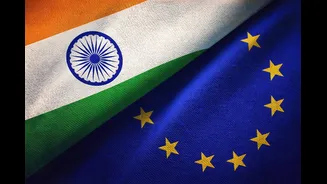
The India-EU FTA represents a major achievement following persistent negotiation efforts. The agreement's successful conclusion signifies a pivotal shift
in the relationship between India and the European Union, a bond that has been in development for a long time. The motivation behind this agreement is not simply based on the triumph of patient diplomacy but also reflects the response to an unstable global environment. The dynamic context of international trade and cooperation required a fresh approach, driving both parties to reach this agreement. The finalization of the trade deal shows a mutual commitment to fortify their economic partnership, providing a foundation for sustainable growth and mutual benefit.
Boosting Connectivity
One of the key outcomes of the India-EU FTA is the push for enhanced connectivity projects. The emphasis on strengthening physical and digital infrastructure is a central aspect of the agreement. This focus is aimed at reducing logistical bottlenecks and optimizing trade channels to foster increased commerce. India and the EU recognized the importance of streamlining their trade and investment frameworks as a crucial step for boosting economic cooperation. This includes the simplification of customs processes and the harmonization of standards. These efforts will facilitate greater mobility for goods, services, and people between India and the EU. This collaborative approach will likely increase trade volumes and also encourage increased investments in infrastructure and connectivity initiatives.
Mobility Pact Benefits
The mobility pact included within the broader FTA is designed to help Indian students and workers. It aims to reduce barriers to entry for those seeking educational and professional opportunities within the EU. The agreement creates clear pathways for qualified Indian professionals and skilled workers to pursue their careers in the EU. This can take the form of streamlined visa processes and the recognition of professional qualifications. The mobility provisions also create wider options for Indian students looking to study in the EU, providing easier access to educational institutions. As a result, this will help in building up cultural and knowledge exchange between India and the EU. This pact will not only foster better relationships, but will also stimulate human capital, increasing innovation and mutual economic benefits.
Navigating the Future
The India-EU FTA reflects the adaptive methods taken by both parties to address the complexities of a changing world order. As trade winds shift, the agreement acts as an important tool for navigating global economic and geopolitical uncertainties. The focus is to reinforce the value of collaborative partnerships and multilateralism in a global environment that is frequently marked by unpredictability. With the FTA now in place, India and the EU are preparing themselves for a future where adaptability and cooperation are key to continued progress. The successful closure of the trade agreement is a starting point, signaling a shared vision for economic prosperity and strategic alignment between India and the European Union.