







The Avalanche Strikes
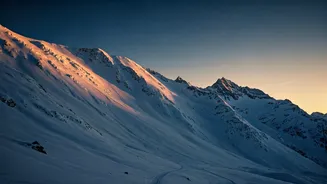
The tranquility of Sonamarg, a beloved tourist destination in Jammu and Kashmir, was dramatically disrupted late on a Tuesday night. An avalanche, a sudden
and powerful flow of snow and ice, swept through the area. The incident was captured on video, offering a visceral look at the forces of nature unleashed. The video footage reveals the scale and intensity of the avalanche as it descended upon the resort, demonstrating the inherent risks associated with mountainous regions and the impact on the environment and structures present. This event underscores the importance of understanding and preparing for such natural occurrences in vulnerable areas, like Sonamarg.
Sonamarg's Vulnerability Explained
Sonamarg's location, nestled in the Himalayan region, renders it especially susceptible to avalanches. The area's steep slopes and abundant snowfall create conditions ripe for these events. The presence of significant tourist activity during the winter months, when avalanches are most frequent, raises the risk profile. Moreover, climate patterns and environmental factors contribute to the instability of the snowpack. The specific topography of Sonamarg, including the incline of the mountains and the prevailing weather conditions, plays a crucial role in the frequency and intensity of avalanches. Understanding these factors is essential for evaluating the risk and developing adequate safety measures. These measures should include monitoring, mitigation strategies, and evacuation protocols.
Impact and Aftermath
While details about the direct impact of the avalanche are still emerging, such events can lead to significant consequences. Buildings and infrastructure in the path of an avalanche can be destroyed or severely damaged. There is also potential risk to human life, particularly if people are in the area. Emergency response teams typically mobilize quickly after an avalanche to assess the damage, search for possible survivors, and offer immediate aid. The aftermath also involves the arduous process of clearing the snow and making the area safe again. Reconstruction efforts may be needed to repair damaged structures, which could take a while. The incident serves as a reminder of the need for preparedness and effective response mechanisms in disaster-prone regions like Sonamarg.
Safety and Preparedness Measures
To minimize the risks associated with avalanches, several measures can be implemented. Early warning systems can provide valuable time for evacuation by monitoring weather patterns, snow conditions, and seismic activity. This allows authorities to issue alerts and prevent people from being in harm’s way. Avalanche control programs, such as controlled explosions, can help stabilize the snowpack and prevent large-scale avalanches. Construction of protective structures, such as avalanche barriers, can also divert or slow down the flow of snow. Tourists and locals alike should be educated on avalanche safety, including recognizing warning signs and knowing the appropriate actions to take during an alert. Effective communication and coordination among various stakeholders, including government agencies, rescue teams, and local communities, are crucial for a timely and efficient response.