




A Nutritional Revolution
In a significant leap for nutritional science, researchers in India have engineered a novel form of rice designed to address widespread dietary deficiencies
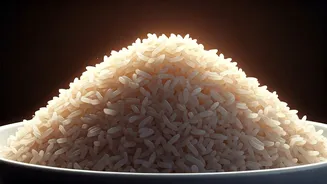
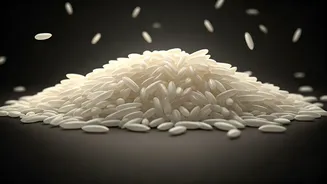
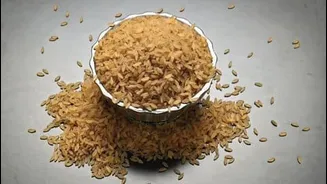
and health concerns. Unlike conventional rice, which is primarily a source of carbohydrates and can lead to rapid blood sugar increases, this 'designer rice' has undergone a sophisticated transformation. It's not a simple fortification or coating; rather, it represents a fundamental re-engineering of the grain's structure. Scientists have meticulously deconstructed the rice kernel, separating its core components—starch, protein, and fiber—and then precisely reassembled them. This meticulous process results in a grain that retains the beloved taste and cooking characteristics of traditional rice but offers a vastly superior nutritional profile, making it a powerful tool for improving public health and combating malnutrition on a large scale.
From Starch Bricks to Protein Beams
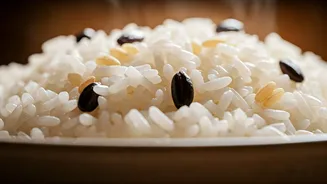
The creation of this advanced rice is a testament to innovative food-processing techniques, meticulously avoiding genetic modification. At the heart of the innovation is the concept of replacing a significant portion of the starch, which the body quickly converts to sugar, with robust protein. Imagine traditional rice as a structure built predominantly with 'sugar bricks'; the development team has essentially dismantled this structure and rebuilt it with 'protein beams.' This is achieved by taking readily available broken rice, which is often a discounted byproduct, grinding it into a flour, and then incorporating substantial amounts of protein along with essential micronutrients like iron, folic acid, and vitamin B12. This fortified flour is then reformed into grains that are indistinguishable from regular rice in appearance, texture, and taste, offering a familiar yet health-conscious alternative.
Health Benefits Unveiled
The implications of this specially engineered rice for health management, particularly for individuals with diabetes, are profound. A key characteristic is its significantly low glycemic index (GI), consistently falling below 55. This means the rice releases energy into the bloodstream gradually, preventing the sharp spikes and subsequent crashes in blood sugar levels that are detrimental to diabetics. Furthermore, the protein content is dramatically elevated, boasting over 20% compared to the typical 6-8% found in normal rice, contributing to a greater sense of fullness and improved muscle health. The integration of iron, folic acid, and vitamin B12 directly into the grain structure also provides a potent defense against common deficiencies like anemia, making it a comprehensive nutritional upgrade within a staple food.
Bridging Cultural & Nutritional Gaps
This groundbreaking innovation is poised to seamlessly integrate into the dietary habits of millions without demanding radical lifestyle changes. The intention is not to steer people away from their cherished rice-based cuisines towards expensive alternatives like quinoa or elaborate salads. Instead, it offers a way to enhance the nutritional value of a food that is already a cultural cornerstone for a significant portion of the population. The added protein can help bridge common dietary gaps, especially for vegetarians or those with limited access to diverse protein sources, potentially leading to better muscle maintenance, sustained energy levels, and a reduced likelihood of overeating. This ensures that a staple food can become a proactive part of metabolic health management and a significant contributor to overall well-being.
From Lab to Local Stores
The successful development of this advanced rice is not confined to research laboratories; it is set for widespread commercialization. CSIR-NIIST has formally transferred the technology to major industry players, including Consumer Products Limited, paving the way for its availability in local grocery stores. This strategic move ensures that the benefits of this nutritionally enhanced grain can reach a broad consumer base. Dr. Anandharamakrishnan, the visionary behind the project, highlighted that the taste is even perceived as superior due to the increased protein content. This accessibility and familiar flavor profile are crucial for encouraging adoption and making a substantial impact on public health, allowing individuals to continue enjoying their preferred meals while significantly boosting their nutritional intake.