



Political Landscape Impacts
Political dynamics can significantly shape the economic direction of a country. A prime example is the influence of election outcomes, such as the BMC
elections in Mumbai, which can impact local economic policies and governance. Additionally, policy shifts and political stances have broader implications. For instance, statements or actions related to topics like the 'politics of hatred,' as seen with Congress's approach, may affect investor confidence and social stability, both crucial for economic growth. Furthermore, events like the BJP's debut at Maghi mela show political parties actively using platforms to promote their economic models, like the 'Haryana model,' potentially influencing regional development strategies and resource allocation. The actions of political figures, the formation of governments, and the articulation of policies affect how the economy functions and evolves.
Policy and Governance Changes
Policy changes and governance decisions exert a substantial influence on the Indian economy. The inspection of Guru Granth Sahib saroops near Banga and any potential discrepancies, although seemingly unrelated, can still indirectly impact public trust in institutions, which in turn influences economic activities. Even in sports, like cricket, changes in the leadership or regulations, even within their governing bodies, can reflect broader trends or shifts in economic priorities. For example, the Bangladesh Cricket Board distancing itself from a director's remarks shows how organizational decisions can signal changes in commitment and, by extension, affect the ecosystem of sports, impacting everything from sponsorships to the public perception of the sport. Also, concerns over the PADU machine usage in polling booths (MNS, Sena UBT raising objections) can highlight challenges in transparency that affects the overall governmental efficacy and can impact economic prospects.
International Relations and Economy
India's relationship with other countries and international events frequently affect its economy. Ongoing international dialogues or negotiations influence trade agreements and investment prospects, shaping the nation's economic interactions. For example, discussions and disagreements with other countries, such as 'fundamental disagreement' over Greenland, can have implications for global trade and partnerships that indirectly influence India's economic position. Similarly, the developments in global conflicts, like the Gaza ceasefire plan, and the diplomatic efforts surrounding it affect global stability. They also have economic effects on India, especially through its international trading partnerships. In essence, the global environment and diplomatic ties constantly reshape India's financial outlook.
Specific Events, Direct Impact
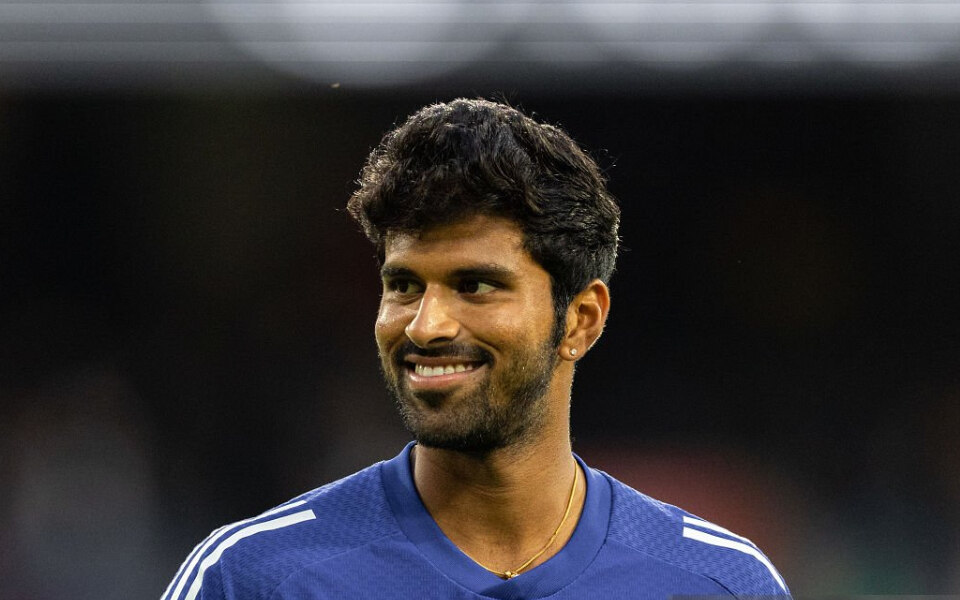
Certain events trigger immediate and noticeable economic repercussions within India. Events like a road accident involving a Lt. Gen (retd), and the arrest of the absconding driver can cause disruptions, particularly if related to transportation and public services. Developments in the sports sector, such as Washington Sundar missing a T20I series against New Zealand, may impact the industry, including fan engagement, media revenue, and sponsorship opportunities. The introduction of specific policies or the announcement of new plans, such as the Haryana model pitched by BJP at the Maghi mela, has the potential to influence local markets, employment rates, and the overall economic landscape in that region. Such events emphasize how both domestic happenings and policy decisions have concrete economic impacts.