





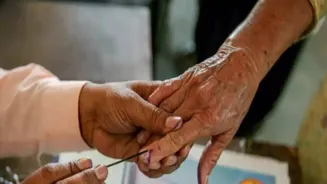
Polling Day Concerns
The second and final phase of the West Bengal Assembly Elections 2026 commenced on Wednesday, with substantial voter turnout anticipated across 142 constituencies,
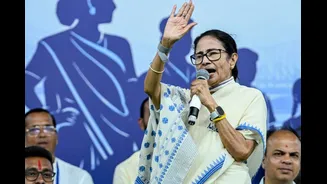
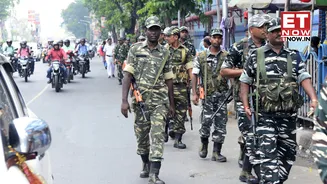
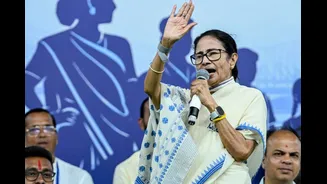
encompassing almost half of the state's 294 assembly seats. This phase, considered pivotal for the ultimate electoral outcome, is taking place in significant regions such as South Bengal and Kolkata, areas traditionally supporting the ruling Trinamool Congress (TMC). However, Chief Minister and TMC candidate from Bhabanipur, Mamata Banerjee, expressed serious reservations about the polling's fairness. She alleged irregularities involving the central security forces and election authorities, stating that court directives were not being adhered to and that newly appointed election personnel were acting with undue authority. Banerjee specifically mentioned instances with the Central Reserve Police Force (CRPF), suggesting a disregard for court orders and an attempt to unduly influence the electoral process. Furthermore, she claimed that numerous external observers had been brought in, alleging they were biased towards the opposition, and pointed out the removal of party posters in several localities, questioning the impartiality of the election arrangements.
Allegations of Rigging
Mamata Banerjee emphatically stated, "Votes will be cast by voters, not by the police or security forces," underscoring her belief that the presence of newly deployed personnel was enabling a "misuse of authority." She vividly described an incident where a party worker was allegedly beaten up during the night, exclaiming, "Just look at this atrocity. What kind of hooliganism is going on? Voting does not happen like this. Voting happens peacefully. It is a festival of democracy. But they have completely ruined it." Banerjee asserted that the underlying intention was clear: the BJP aimed to "forcefully rig the election." She concluded by stating that her party's workers and the populace were prepared to make sacrifices but would not yield, indicating a strong resolve against perceived electoral malpractice. Meanwhile, the Election Commission had implemented extensive security measures to ensure a tranquil voting environment throughout the state, with mock polls conducted earlier in the day as part of standard operational procedures.
Voter and Candidate Statistics
The electorate for this final phase comprised approximately 3.21 crore voters. This significant number included 1.64 crore male voters, 1.57 crore female voters, and 792 voters identifying as third gender. A total of 1,448 candidates were vying for the seats, with 220 of them being women. The voting took place across 41,001 polling stations. Notably, over 8,000 of these stations were exclusively managed by female staff, highlighting an effort towards inclusivity in the electoral process. These figures underscore the scale of the democratic exercise and the extensive infrastructure required to conduct polling across such a large segment of the state's population.