





First Steps: Direct Airline Contact
When faced with unsatisfactory service or malfunctioning amenities onboard, your initial course of action should always be to report the issue directly
to the airline. This typically involves using their designated customer support channels, such as their official website's grievance portal or their customer service helpline. Many airlines also provide a nodal officer to handle escalated complaints. It's crucial to document your complaint, noting dates, flight details, and the specific problems encountered. Airlines are generally expected to acknowledge and respond to these issues within a reasonable timeframe, aiming to resolve them at the earliest. This direct approach is the foundational step before considering further avenues for resolution and often leads to a satisfactory outcome without the need for more complex procedures.
Understanding Refund Entitlements
Recent aviation regulations, effective March 26, 2026, introduce clearer guidelines on when passengers can rightfully request refunds or modify their bookings. A significant provision allows for ticket cancellations or changes without any fees, provided the request is made within 48 hours of booking. However, this flexibility is contingent on the flight not being scheduled within seven days for domestic travel or 15 days for international journeys. Furthermore, airlines are mandated to process all refunds within a strict 14-working-day period, regardless of whether the ticket was purchased directly or through a third-party agent. Additionally, minor errors like spelling mistakes in passenger names can be corrected at no charge if reported within 24 hours of booking directly with the airline. In exceptional circumstances, such as a passenger's or immediate family member's hospitalization, airlines may offer refunds or allow the ticket value to be held as credit for future travel.
Escalating Unresolved Issues
Should your attempts to resolve a service-related issue directly with the airline prove unsuccessful, the next logical step is to escalate the matter to a consumer commission. Legal experts define poor or faulty service as a 'deficiency in service' under consumer protection laws. This term encompasses any inadequacy, imperfection, or fault in the quality or performance of a service that should be upheld by law or contractual agreement. By filing a complaint with the appropriate Consumer Disputes Redressal Commission under the Consumer Protection Act, 2019, aggrieved passengers can seek remedies such as a full refund of the fare paid and compensation for the inconvenience caused by the deficient service. While airline rules might limit compensation to ticket value, consumer commissions have the authority to award additional damages for mental anguish and other hardships, with claims typically admissible within two years of the incident.
Case Study: Service Deficiency
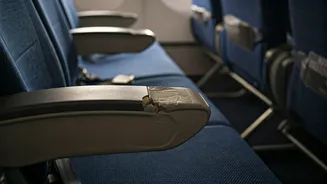
Illustrating the practical application of these passenger rights, a notable case from January 2026 saw the New Delhi District Consumer Disputes Redressal Commission issue a significant order. The commission mandated an airline to pay a sum of Rs 1.5 lakh in compensation to a father and daughter. Their travel from Delhi to New York was severely marred by numerous service failures. Despite having paid for premium seats, the passengers encountered multiple issues, including broken seating, unhygienic washroom facilities, and non-functional entertainment screens. The Commission's ruling affirmed that these substantial shortcomings constituted a clear and serious deficiency in the service provided by the airline, underscoring the importance of airlines maintaining promised service standards and the avenues available to passengers when these standards are not met.