
Navigating Uncertainties
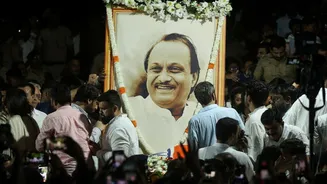
The INDIA bloc, navigating a complex political environment, encounters limitations in its strategic options. The merger of the Nationalist Congress Party
(NCP) introduces a shift that necessitates re-evaluation. The bloc is forced to contend with new dynamics and realignments. The environment is marked by shifting alliances and strategic challenges. The bloc must respond to events with agility. The recent events and political developments place restrictions on the possible actions the INDIA bloc can take. It needs to make decisions against the background of fluctuating support and new political arrangements. This dynamic situation affects the bloc's capacity to maneuver effectively. The evolving political context impacts the INDIA bloc's capabilities, making it essential to analyze the situation in detail.
Strategic Constraints
The decisions made by the INDIA bloc are subject to multiple constraints. The merger of the NCP serves as a recent example, which may influence how the bloc formulates and implements its plans. This situation restricts the choices available to the INDIA bloc, and it must take this into account when developing its strategies. The bloc must deal with existing support and consider future developments. The circumstances they face in the political arena limit their ability to execute their strategies. The bloc may experience limitations when trying to broaden its support base or initiate new initiatives. The need for cohesion and efficient coordination also presents challenges. The bloc has to adjust the scope of its actions to account for the constraints on its resources and the overall political circumstances. The bloc’s strategic choices will be influenced by the need to react to shifting events and the ability to maintain internal unity.
Assessing Future Paths
The INDIA bloc must carefully evaluate its available paths. Considering the recent changes, it's essential for the bloc to adapt its existing strategies. Looking at potential strategies, it becomes crucial to evaluate different options. The bloc may need to rethink its tactics to ensure it stays relevant in the rapidly shifting political climate. It will need to identify areas where it can build consensus, form effective coalitions, and strengthen its stance on crucial issues. Moreover, the bloc must navigate the political landscape and develop strategies that can effectively meet various challenges. It will involve analyzing the strengths and weaknesses of different strategies and choosing ones that best suit the present environment. The ability to effectively plan and execute its strategies will determine the success of the INDIA bloc. The long-term goals of the bloc are dependent on the effectiveness of these strategies.
Maintaining Cohesion, Unity
A fundamental priority for the INDIA bloc is preserving unity. The bloc must work to prevent internal disagreements and maintain a unified front. The recent developments highlight the need for greater coordination and cooperation. The focus should be on building trust and promoting shared goals among all the constituents. In periods of political shifts and challenges, it's essential to ensure solidarity. The bloc must actively work to resolve any differences, whether those are tactical or strategic. It will need to develop effective communication channels to improve collaboration and make sure every voice is heard. The bloc will improve its capacity to address the political climate by reinforcing unity. This will involve the continued dedication to core principles and a unified strategy. Achieving and maintaining unity will be important for ensuring the long-term success of the INDIA bloc and its capacity to meet future obstacles.