


Trump's Stance Emerge
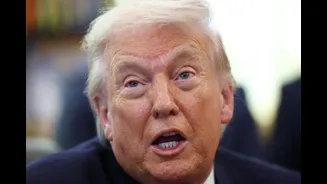
Former U.S. President Donald Trump has been actively commenting on the protests in Iran. His remarks included a call for new leadership within Iran, positioning
him as a vocal supporter of the protesters. Simultaneously, reports have surfaced about Trump seeking financial contributions for a seat on a 'Board of Peace'. The former president's statements reflect a strong stance against the Iranian regime, escalating the ongoing tensions. This has drawn diverse reactions both within Iran and from international observers. His commentary is framed within the context of blaming Iran's leadership and suggesting alternatives to the current governance.
Global Reactions Erupt
The global response to the Iranian protests has been multifaceted. Some nations have expressed support for dialogue and diplomacy as a means to resolve the crisis. Turkish President Erdogan has conveyed his hope that Iran will overcome the challenges through negotiation, suggesting a cautious diplomatic approach. In contrast, other nations, including the U.S., have taken more critical positions. There is a sense of urgency, with various international bodies closely monitoring the situation. Peaceful demonstrations in support of the Iranian protesters have been held across the globe, indicating broad international interest. The absence of Iran's foreign minister at the WEF Davos summit also suggests potential diplomatic isolation.
Iranian Government Responses
The Iranian government has issued diverse responses to the ongoing protests. The Iranian President has blamed U.S. sanctions for the challenges faced by the Iranian population. In addition, there have been warnings of harsh consequences for military aggression. The judiciary's actions, including potential executions, have heightened the severity of the situation. Some reports indicate the possibility of lifting the internet ban, and there have been instances of state television being targeted by hackers. These government actions indicate attempts to manage the unrest. There is a clear effort to address both internal dissent and external pressure in the evolving crisis.
Casualty Assessments, Concerns
The human cost of the Iranian protests is significant, with official reports citing at least 5,000 verified deaths. This highlights the severity of the conflict and underscores the need for de-escalation. The exact figures of those killed remain unclear, with various sources providing differing data. This discrepancy further complicates the situation, creating an environment of uncertainty and potential misinformation. Such high casualty numbers have intensified international concern and amplified the calls for accountability. Accurate information is critical as the world attempts to understand and address the gravity of the unrest in Iran.
Potential for Escalation
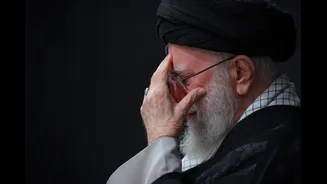
The ongoing situation includes several elements that could escalate the crisis. The Iranian government's warnings against any attack on the Supreme Leader, Ayatollah Khamenei, as a declaration of war suggest a significant level of sensitivity and readiness. Simultaneously, statements made by Donald Trump and the aggressive actions of the protesters create a tense atmosphere that could lead to heightened clashes. The combination of internal unrest and external involvement creates a volatile situation with the potential for further complications. The possibility of broader conflict adds an element of uncertainty. The international community must watch closely for signs of de-escalation.