







AI Takes to the Roads
The National Highways Authority of India (NHAI) is embarking on a significant technological upgrade, introducing Artificial Intelligence (AI) as a key
component in its highway patrol system. This ambitious initiative is designed to dramatically improve the condition and safety of the nation's extensive road network. By leveraging AI, the NHAI aims to move beyond traditional reactive maintenance towards a more proactive and efficient model. The core objective is to ensure that road issues, particularly the persistent problem of potholes, are identified and rectified with unprecedented speed and accuracy. This not only enhances the driving experience but also crucially reduces the likelihood of accidents and damage to vehicles, thereby contributing to overall road safety and user satisfaction across the country.
Smart Monitoring System
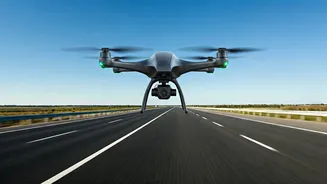
To achieve its goals, the NHAI will deploy a sophisticated AI-powered system utilizing advanced technologies such as drones and specially equipped vehicles. These AI-enabled assets will be furnished with high-resolution cameras and an array of sophisticated sensors capable of continuously scanning the road surface. Their primary function is to meticulously monitor the structural integrity of the highways, identifying not just obvious potholes but also subtle cracks, wear and tear, and any other anomalies that could pose a risk. Once detected, these issues will be immediately flagged and reported to the relevant authorities, triggering a swift response for repairs. This continuous surveillance and rapid alert mechanism are expected to substantially shorten the repair cycle, a vital improvement given the widespread nature of road defects that have historically plagued Indian roads.
Data-Driven Road Management
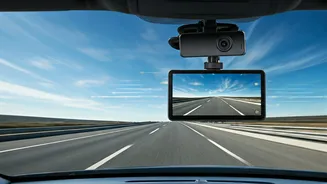
The implementation of AI extends to a comprehensive data management strategy, covering an impressive expanse of nearly 40,000 kilometers of India's highways. Route patrol vehicles will be fitted with AI-powered dashcams that capture real-time data as they traverse the roads. These AI models are programmed to analyze this data stream, effectively identifying a range of potential issues including potholes, pavement cracks, and even instances of encroachment or other safety hazards. This influx of real-time information will feed into centralized dashboards, providing highway management with a clear, data-driven overview of the network's condition. This enhanced visibility and tracking capability are instrumental in facilitating quicker repair decisions, bolstering safety measures, and modernizing the overall approach to national highway administration and upkeep.