




The Majestic Rhino
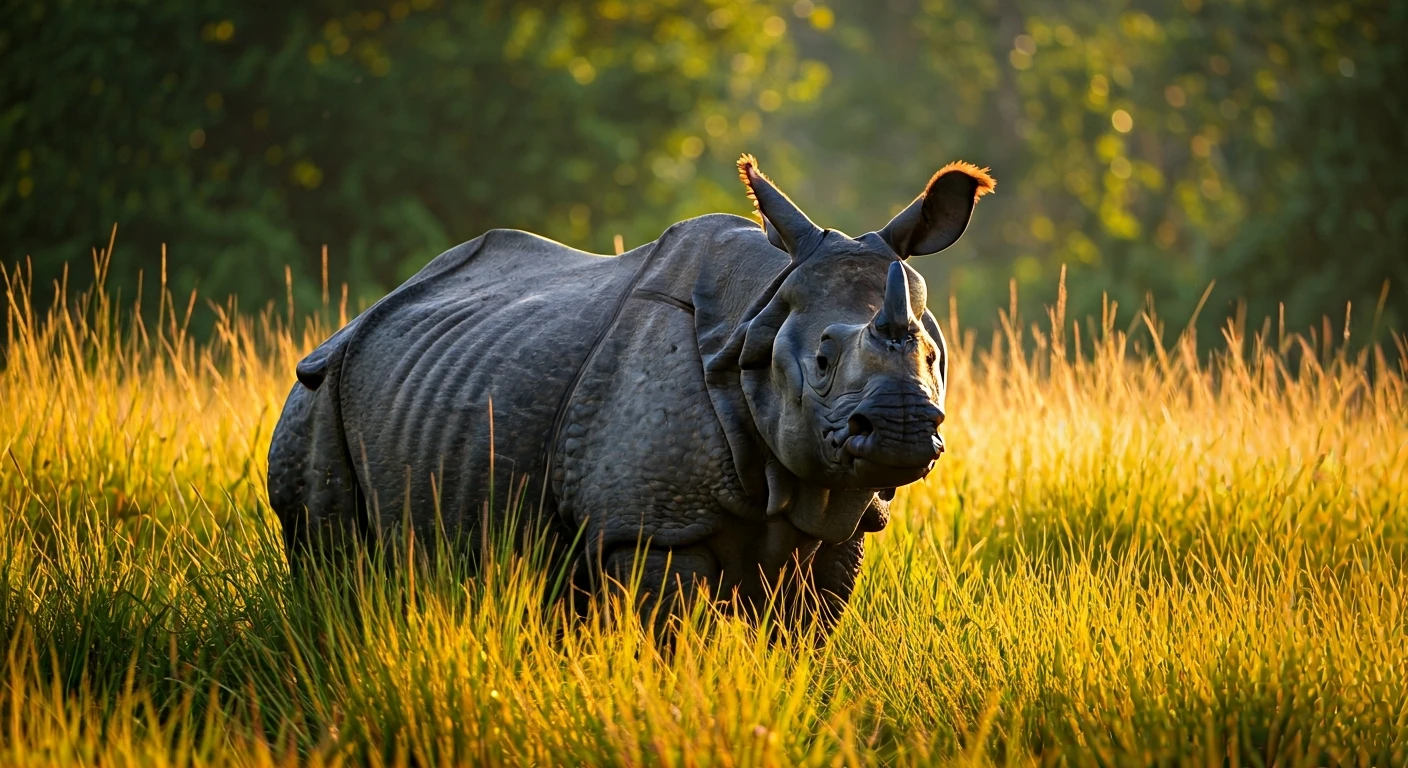
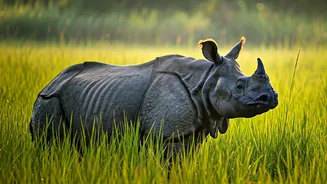
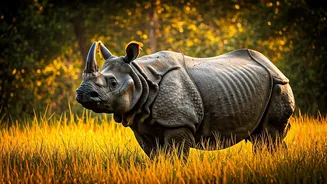
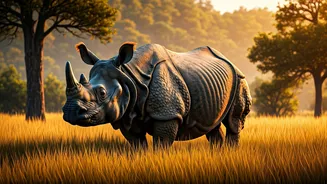
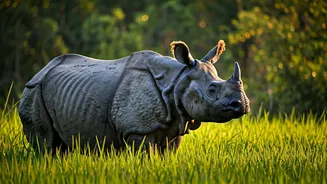
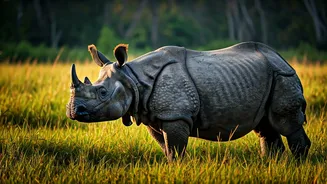
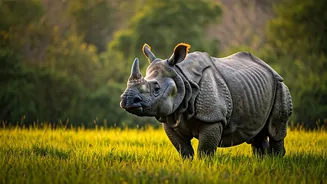
Kaziranga National Park is globally celebrated for safeguarding the largest population of the Indian rhinoceros, a species once critically endangered.
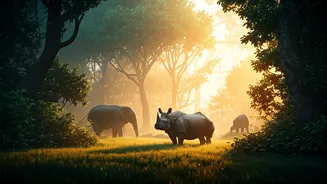
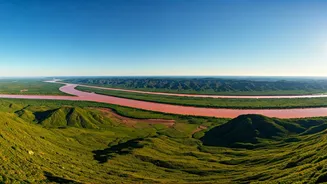
These magnificent, large herbivores are a prime reason for the park's fame and are frequently observed in their natural habitat, the park's extensive grasslands and near its numerous water bodies. The remarkable conservation efforts in Assam have led to a significant recovery for these animals, transforming their status from vulnerable to a symbol of successful wildlife protection in India. Observing a rhino grazing peacefully is an unforgettable experience, showcasing the success of dedicated conservation initiatives within this vital ecosystem located in the floodplains of the Brahmaputra River.
Gentle Giants Roam
Adding to the allure of Kaziranga, the Asian elephant is another significant resident that draws visitors from far and wide. These intelligent and social creatures are often encountered in considerable herds, traversing the park's diverse landscapes, from open grasslands to pockets of woodland. The park plays a crucial role in supporting a substantial population of these wild elephants, whose presence is vital for maintaining the ecological balance. Through their grazing and movement, elephants help shape the vegetation and contribute to seed dispersal, playing an indispensable role in the park's overall health and biodiversity. Their presence underscores the importance of Kaziranga as a sanctuary for large mammals.
Elusive Apex Predator
While sightings are rarer compared to rhinos or elephants, Kaziranga boasts one of the highest densities of Bengal tigers found in any protected area across India. These magnificent big cats are well-camouflaged within the park's dense, tall grasses and forested regions, making them incredibly elusive. The park's designation as a tiger reserve highlights its significance in providing a crucial habitat for these endangered predators. The thrill of potentially spotting a tiger, even briefly, adds an element of suspense and excitement to any safari. Their presence signifies a healthy ecosystem, as tigers require ample prey and vast territories to thrive, making Kaziranga a vital stronghold for their survival.
Bovine Strength
Kaziranga is also a critical refuge for the wild water buffalo, a truly impressive bovine species and one of the largest of its kind globally. These powerful animals are most commonly found in the marshy areas and wetlands that are abundant throughout the park, often congregating in herds. The park is recognized for harboring one of the most significant and viable populations of this endangered species. Their presence in such numbers is a testament to the park's effective management and the suitability of its wetland ecosystems for their survival. Observing these formidable creatures in their natural watery domain is a striking sight and a key highlight of a Kaziranga visit.
Antlered Grace
The graceful eastern swamp deer, also known as Barasingha, is another species that thrives in Kaziranga's unique environment. These deer are particularly fond of the park's wetlands and open grasslands, where they are often seen grazing in small groups. They are easily identifiable by their striking, multi-tined antlers, which give them their name ('barasingha' literally means 'twelve-horned'). The park's extensive marshy areas and grasslands provide the ideal conditions for these deer to flourish, making Kaziranga a vital sanctuary for this distinct subspecies. Their gentle presence adds to the park's serene beauty.
Stealthy Hunter
While generally more reclusive than some of the park's larger inhabitants, the Indian leopard is another fascinating predator that calls Kaziranga home. These adept hunters typically inhabit the more densely forested zones within the park. Their activity is often concentrated during the crepuscular hours – the early morning and late evening. Consequently, spotting a leopard requires a good deal of patience and a bit of luck, as their secretive nature and excellent camouflage make them incredibly difficult to find. Nevertheless, the possibility of encountering this magnificent cat adds an element of thrilling anticipation to any wildlife expedition in the park.
Agile Herbivore
Among the most frequently sighted herbivores within Kaziranga National Park is the hog deer. These smaller deer are distinct from their swamp deer cousins and are particularly well-adapted to the tall grassland habitats that dominate large parts of the park. Hog deer are commonly observed grazing in open areas, often in close proximity to water sources, which are essential for their survival and foraging habits. Their abundance and tendency to be found in open spaces make them a regular and delightful sight for visitors, contributing significantly to the vibrant tapestry of life that characterizes Kaziranga's diverse ecosystems.
Unique Bear Species
Rounding out the list of notable animals in Kaziranga is the sloth bear, though sightings are less common than for many other species. These bears typically favor the forested sections of the park for their habitat. They possess a unique diet, with a significant portion of their food consisting of termites, ants, and various fruits. Their distinctive appearance and specialized feeding habits make them an intriguing, albeit rare, encounter. The presence of sloth bears further highlights the ecological diversity of Kaziranga, offering a glimpse into the varied niches occupied by its inhabitants, even the more elusive ones.