








Interpreting Your Readings
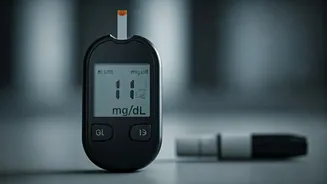
Encountering a fasting blood sugar of 111 mg/dL, coupled with an HbA1c of 5.5%, can initially seem perplexing. Experts clarify that while the ideal fasting blood glucose
should remain below 100 mg/dL, a reading of 111 mg/dL typically falls into the category of impaired fasting glucose, commonly known as prediabetes. This designation suggests that your body might be experiencing some early indications of insulin resistance. However, the HbA1c value of 5.5% is reassuring, as it sits comfortably within the normal range, which extends up to 5.7%. This metric provides a crucial two-to-three-month average of your blood glucose control, indicating that your overall sugar management has been stable. Therefore, this situation is not an immediate cause for alarm but rather a valuable prompt to assess and potentially adjust your lifestyle choices.
The Prediabetes Signal
A fasting blood sugar reading of 111 mg/dL, while not indicative of full-blown diabetes, serves as an important signal from your body. This level suggests a state known as impaired fasting glucose, often referred to as prediabetes. It means your blood sugar levels during fasting are higher than optimal, hinting at a potential for insulin resistance. Insulin resistance occurs when your body's cells don't respond effectively to insulin, the hormone that regulates blood sugar. This can lead to higher glucose levels circulating in your bloodstream. It's crucial to understand that this is a reversible stage, offering a window of opportunity for preventive measures rather than requiring immediate medical intervention. The key is to view this reading not with fear, but as an empowering indicator to make positive changes.
Why the Discrepancy?
The apparent contrast between a slightly elevated fasting blood sugar of 111 mg/dL and a healthy HbA1c of 5.5% is a common scenario and is readily explained by the nature of these tests. A single fasting blood glucose reading can be quite variable, susceptible to numerous short-term influences. Factors such as insufficient sleep the night before, experiencing stress, consuming a late-night meal, or even a minor illness can temporarily elevate your fasting glucose levels. Conversely, the HbA1c test provides a more consistent and averaged picture of your blood sugar control over the preceding two to three months. A 5.5% HbA1c signifies that, on average, your blood glucose levels have been well-managed during this period, indicating good overall metabolic health despite a single fluctuating reading. This highlights the importance of considering both types of tests for a comprehensive understanding.
Proactive Lifestyle Adjustments
Addressing a fasting blood sugar of 111 mg/dL, especially when HbA1c is normal, centers on adopting positive lifestyle changes. The primary recommendation is to increase regular physical activity. Aim for at least 30 to 45 minutes of moderate-intensity exercise, such as brisk walking, most days of the week. This consistent movement significantly enhances insulin sensitivity, allowing your body to utilize glucose more effectively. Diet plays an equally critical role. Focus on reducing your intake of refined carbohydrates, such as white bread and sugary snacks, and practice mindful portion control. Incorporating more fibre-rich foods, including a variety of vegetables, whole grains, and legumes, will help in stabilizing blood sugar levels throughout the day. Beyond diet and exercise, prioritize getting adequate sleep, effectively manage stress, and maintain a healthy body weight, as these are fundamental pillars of metabolic health that are often overlooked.
Monitoring and Next Steps
To gain a clearer picture following a fasting blood sugar reading of 111 mg/dL, it is advisable to retest after a few weeks, ensuring optimal conditions such as a good night's sleep and a proper fasting period. Should the elevated levels persist, consulting a qualified healthcare professional is the recommended course of action. They may suggest further diagnostic tests, like a post-meal blood sugar test or an oral glucose tolerance test (OGTT), to thoroughly evaluate your body's glucose metabolism and provide a more definitive assessment. While a single reading indicating prediabetes is not an emergency, it serves as a crucial opportunity to be proactive. Implementing small, consistent, and positive lifestyle modifications now can significantly contribute to preventing the development of type 2 diabetes in the future, empowering you to take charge of your long-term health.