





Banaras to Hadapsar Service
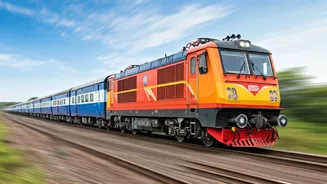
A significant enhancement to long-distance travel is set to commence on April 28, with the introduction of the Banaras–Hadapsar Amrit Bharat Express. This
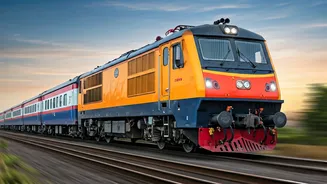
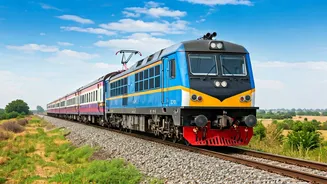
new service, designated as train number 02531, will operate daily, departing from Varanasi at 4:45 PM. Its route is meticulously planned to bridge the gap between northern and central India and the Hadapsar region near Pune, Maharashtra. The train is scheduled to make stops at a comprehensive list of 18 stations, traversing through multiple states. These include key locations like Gyanpur Road, Prayagraj, Fatehpur, Govindpuri, Orai, Jhansi, Bina, Rani Kamlapati, Narmadapuram, Itarsi, Harda, Khandwa, Bhusawal, Jalgaon, Manmad, Kopargaon, Ahilyanagar, and Daund, ensuring extensive reach. For passenger comfort and affordability, the train will feature a total of 22 coaches, with a strategic allocation of 11 general class coaches and eight sleeper class coaches. Complementing these are two Self-generating Luggage Rack (SLR) coaches and a dedicated pantry car, offering essential amenities for a comfortable journey.
Ayodhya to LTT Route
In parallel with the Banaras service, Indian Railways is also launching another vital Amrit Bharat Express connecting the spiritual hub of Ayodhya Cantt to the bustling metropolis of Mumbai. This second service, commencing its inaugural journey on April 28 as train number 02212, will depart from Ayodhya at 4:45 PM, with its final destination being the Lokmanya Tilak Terminus (LTT) in Mumbai. This route is poised to significantly ease travel for pilgrims and commuters traveling between Uttar Pradesh and India's financial capital. The train's itinerary includes stops at 12 strategic stations, encompassing Sultanpur, Maa Belha Devi Dham Pratapgarh, Prayagraj, Manikpur, Satna, Jabalpur, Itarsi, Bhusawal, Jalgaon, Nashik, Kalyan, and Thane. Mirroring the configuration of the Banaras service, this train will also be composed of 22 coaches. The primary focus remains on affordability and capacity, with a mix of general and sleeper class compartments, alongside SLR coaches and a pantry car, to cater to the needs of a diverse passenger base undertaking long journeys.
Amrit Bharat Design Philosophy
The newly introduced Amrit Bharat trains are conceptualized as high-capacity, non-air-conditioned services, prioritizing both cost-effectiveness and enhanced speed over traditional passenger trains. Railway officials have emphasized that these trains are designed to improve the overall travel experience for budget-conscious passengers. Their strategic routes are expected to alleviate congestion on existing, heavily patronized corridors, particularly between Uttar Pradesh and Maharashtra, which is known as one of the country's busiest rail networks. The direct connectivity provided by these services to major urban and economic centers like Mumbai and Pune is anticipated to be a considerable boon. It will particularly benefit segments of the population such as migrant workers, students, and pilgrims who frequently travel these routes. Currently, these travelers often face challenges such as the need for multiple train changes or long waits for confirmed tickets on existing services, challenges that the Amrit Bharat trains aim to mitigate.