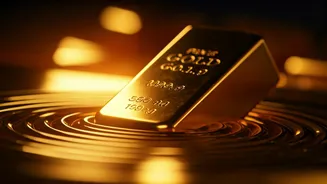

Gold's Meteoric Rise
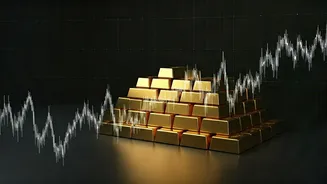
The price of gold has been on a relentless climb, with the price surpassing ₹1.62 lakh per 10 grams, highlighting a period of significant gains. This remarkable
increase is supported by a global trend, as the value of the dollar decreases. Simultaneously, silver futures have also shown strong performance, trading at approximately ₹3.83 lakh per kilogram. These figures indicate a bullish sentiment in the precious metals market, driven by factors like geopolitical uncertainties and economic conditions that are fostering investment in safe-haven assets. The movement is indicative of a broader market response to ongoing challenges and global economic shifts. Investors and market watchers are closely observing these trends to understand potential future trajectories and devise investment strategies.
Silver's Performance Boost
Alongside gold, silver is experiencing a surge, with futures reaching ₹3.83 lakh per kilogram. This robust performance of silver typically occurs when investors seek alternatives during periods of economic uncertainty. The rise in silver prices reflects a general interest in precious metals, prompted by a combination of global economic concerns and anticipations about future market movements. This upward trend in silver often aligns with similar moves in gold, suggesting a combined response to market factors. The rise in silver, considered both an industrial and investment metal, further strengthens the outlook for precious metals. This is influenced by industrial applications and the role it plays as a hedge against inflation and economic instability, thereby attracting a diverse array of investors and market participants.
India-EU Trade Talks
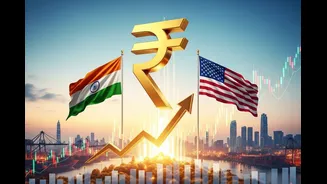
India's negotiations with the European Union on a Free Trade Agreement (FTA) are gaining traction, with significant implications for various sectors. An FTA is being viewed as an opportunity to reduce strategic dependencies and to bolster economic cooperation amid an uncertain global environment. The pharmaceutical sector in India is expected to get significant market access to the EU, which could lead to strengthened growth in exports. Furthermore, the gems and jewellery industry is poised to see benefits, potentially bringing it on par with significant exporters like China and Thailand. The progress of the FTA holds significant promise for India's trade landscape, and sector-specific strategies will need to adjust in order to accommodate the changing dynamics in a globalized market.
Market Reactions & Outlook
While gold prices are rising, investors and analysts are closely monitoring market movements and looking for the 'devil in the details' of the India-EU FTA. Market participants are scrutinizing the specifics of the trade deal, including its possible effects on the Indian economy. There are varying opinions on the market with gold prices and silver's trajectory. While some investors see sustained growth, others anticipate volatility. Current market behavior reflects a broader climate of caution as economic uncertainties continue, which may lead to varying market responses. This situation underlines the necessity for investors and businesses to adopt a flexible strategy in these dynamic market conditions. They also have to remain adaptable to adjust to the rapidly changing scenarios and use the potential for development.
Gold's Ongoing Rally
Even as the gold market witnesses fluctuations, the overarching trend continues to be positive. Despite a recent minor dip of ₹10, bringing the price to ₹1,61,940, the broader trajectory indicates growth, supported by global conditions and investor sentiment. Silver's performance demonstrates a parallel increase, trading at ₹3,70,100, which further reflects the trend toward precious metals as secure assets. The ongoing rally in gold, fueled by factors such as a weakening dollar, provides a favorable climate for investors. The market anticipates the continued expansion of gold and the potential for greater participation, driven by both domestic and foreign interest. This scenario is indicative of sustained bullish sentiment in precious metals, supporting their appeal as reliable investment vehicles. This also implies an ongoing requirement for market surveillance.
Factors Driving Gold
Several factors are contributing to gold's surging prices. One major driver is the weakening of the dollar, which makes gold relatively cheaper for holders of other currencies, including the Indian rupee. This devaluation of the dollar creates a favorable scenario for gold as a hedge against the rising risks and uncertainties. Secondly, global economic concerns, like geopolitical tensions and inflationary pressures, are prompting investors to look towards safe-haven assets such as gold. Investors view these factors as catalysts, and they are increasing the demand for gold, pushing prices higher. Additionally, demand in major markets such as China is significant, with buyers and sellers expressing optimism about the future. Therefore, understanding the interplay of these factors is key to interpreting current market trends and for making informed investment decisions.
Implications for India
The rising gold prices have significant implications for the Indian economy and its investors. For Indian investors, gold serves as a traditional and secure investment option. The ongoing rally gives investors a chance to diversify their portfolios and safeguard against market volatility. Furthermore, the rise in gold prices indicates potential effects on the import-export trade balance. As India is a major importer of gold, the surge in prices could influence the nation's import expenses. This can cause implications for the overall trade balance. Understanding these dynamics is essential for policymakers and investors alike. They need to create appropriate strategies to leverage the opportunities presented by this market trend while keeping any potential risks under control. Thus, the trend in gold prices needs to be constantly monitored to navigate the complexities involved.