
Seismic Event Details
On a recent day, the Delhi-NCR area was struck by an earthquake. The tremors, registering 2.8 on the Richter scale, were relatively mild. This means the event
was categorized as a minor one. Earthquakes are measured using the Richter scale, which is logarithmic; each whole number increase represents roughly a tenfold increase in magnitude. Therefore, a 3.8 magnitude quake is ten times stronger than a 2.8 one. The epicenter was likely situated in or near the NCR, which covers Delhi and surrounding areas in the states of Haryana, Uttar Pradesh, and Rajasthan. The depth and exact location are key to understanding the quake's impact. Authorities likely monitored the event and assessed any potential damage, though given the low magnitude, significant damage was unlikely. Small tremors are common in seismically active regions, and this event served as a reminder of the underlying geological activity in the area.
Impact and Reactions
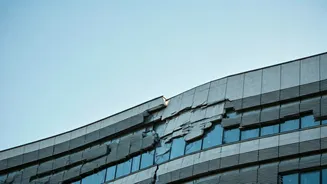
The impact of a 2.8 magnitude earthquake is typically minimal. These tremors are often felt, but they rarely cause structural damage. Residents in the NCR may have felt the ground shake slightly or heard a brief rumbling sound. Social media platforms often see a surge of activity as people share their experiences and express concern. While the immediate impact is usually minor, such events can increase public awareness about earthquake preparedness. This includes having emergency plans, knowing how to react during a tremor, and ensuring buildings meet safety standards. The focus is usually on ensuring public safety and assessing the wider effects, even when the seismic activity is minimal. Local governments and disaster management teams usually assess the event and provide updates.
Preparedness Measures
Regardless of the magnitude, earthquakes serve as reminders of the importance of preparedness. Developing a family emergency plan is an essential first step. This includes identifying safe spots in your home, such as under sturdy tables or against interior walls, and knowing where to go during a tremor. It is equally important to maintain a supply of essential items like water, non-perishable food, a first-aid kit, and a flashlight. Residents should also be aware of the seismic risks in their area and understand their building's construction. This helps assess the potential vulnerability to earthquakes. Periodic drills can help everyone react calmly during a real event. These drills should involve simulating an earthquake and practicing safety procedures. Preparedness can significantly reduce risk and increase safety.