





The Rise of Salted Water
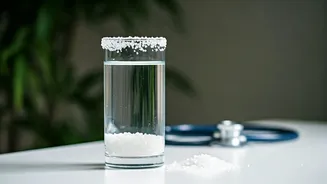
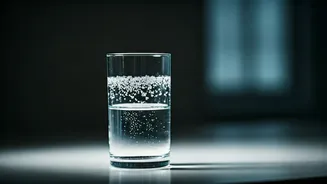
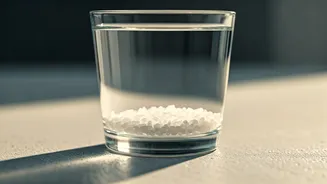
Social media has sparked a trend of adding salt to drinking water, often promoted as an 'electrolyte hack' for enhanced hydration. This practice suggests
that supplementing water with sodium can boost its rehydrating properties. While the concept of electrolytes is crucial for bodily functions, particularly during periods of significant fluid loss, the widespread adoption of this simple additive as a daily habit warrants a closer examination. Experts caution that while salt plays a role in hydration, indiscriminately adding it to every glass of water might lead to unforeseen health consequences, overshadowing any perceived benefits and potentially disrupting the body's delicate balance.
Who Should Avoid
Individuals managing specific health conditions are strongly advised to steer clear of the salted water trend. This includes anyone diagnosed with hypertension, heart disease, or kidney ailments. Those experiencing general swelling or fluid retention, as well as individuals with thyroid disorders, should also refrain from adding extra salt to their water. For those with kidney issues, the body's ability to process excess sodium is significantly compromised, making them particularly vulnerable to the adverse effects of added salt, which can exacerbate their condition unless under strict medical supervision. Therefore, a proactive approach to managing these conditions means avoiding unnecessary sodium intake from sources like salted water.
When Salted Water Helps
There are indeed very specific circumstances where supplementing water with sodium can be beneficial. This is primarily related to situations involving substantial sodium loss from the body. For example, after prolonged and intense physical exertion, such as in endurance sports, or following episodes of severe vomiting or diarrhoea, the body depletes its sodium reserves. Similarly, extended exposure to extreme heat can lead to significant perspiration and electrolyte imbalance. In these critical moments, rehydration that includes electrolytes, sodium among them, becomes essential. However, even in these cases, medically prepared oral rehydration solutions (ORS) or specialized electrolyte drinks are recommended over simply adding table salt to water, as they offer a more balanced and controlled intake of necessary minerals.
Expert Advice for Daily Intake
For the general population, relying on regular meals to provide adequate sodium intake is the standard recommendation. Adding extra salt to water daily can easily push sodium consumption far beyond recommended limits. This excess can trigger a cascade of negative health effects, including elevated blood pressure, unwelcome water retention, and a heightened risk of long-term cardiovascular problems. While the trend gained traction from social media 'electrolyte hacks,' health professionals emphasize that this practice is unnecessary for most people on a day-to-day basis and can, in fact, be detrimental. Prioritizing hydration through plain water, and incorporating natural sources of electrolytes like coconut water or buttermilk, alongside a balanced diet, is a far safer and more sustainable approach to maintaining overall health and well-being.