


Holika Dahan 2026 Overview
In 2026, the vibrant festival of Holi presents an extraordinary celestial spectacle as Holika Dahan, the preceding ritual of lighting bonfires, is set
to coincide with a lunar eclipse, known as Chandra Grahan. This rare alignment of a deeply cultural celebration with a significant astronomical event has ignited widespread interest among those who observe traditional practices, astronomical enthusiasts, and event planners. The lunar eclipse is projected to occur on the very day Holika Dahan is celebrated. Traditionally, Holi involves the playful application of colours, communal gatherings, and ceremonies symbolizing the victory of good over evil. However, the added dimension of a Chandra Grahan introduces a unique cosmic aspect to the upcoming festivities, making the 2026 observance particularly noteworthy.
Lunar Eclipse Explained
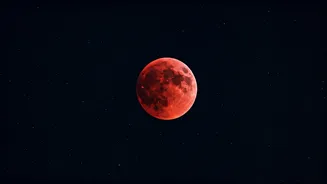
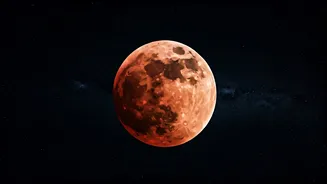
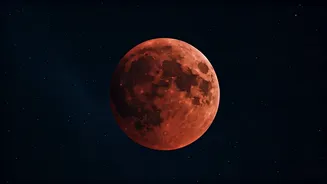
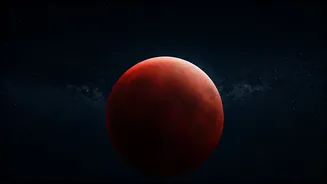
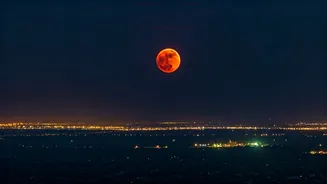
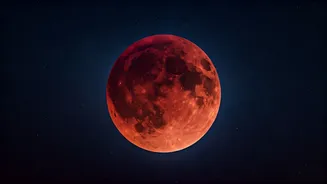
A Chandra Grahan, or lunar eclipse, occurs when the Earth positions itself directly between the Sun and the Moon, casting a shadow that obscures the lunar surface. Unlike solar eclipses, which necessitate protective eyewear, lunar eclipses are entirely safe to view with the naked eye. Depending on the eclipse's classification – whether penumbral, partial, or total – the Moon might appear slightly dimmed or adopt a striking reddish hue, frequently termed a 'Blood Moon.' The visibility of this eclipse in India hinges on its temporal relationship with local moonrise and moonset times. Initial forecasts suggest that certain regions within India might witness at least a partial phase of the eclipse. However, definitive viewing conditions will be officially confirmed by scientific organizations closer to the actual date of the event.
Holika Dahan Timings 2026
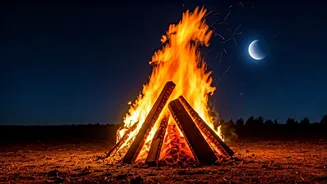
Holika Dahan, also known as Chhoti Holi, is scheduled for Tuesday, March 3, 2026. The most propitious period for lighting the sacred bonfire is expected to be in the evening, following sunset. The primary auspicious window for performing this ritual spans from 06:22 PM to 08:50 PM, offering a duration of 2 hours and 28 minutes. This period falls within Pradosh Kaal, the twilight period traditionally designated for Holika Dahan. The timing of this ritual is intrinsically linked to the Purnima Tithi, or the full moon phase, in the Hindu month of Phalguna. The Purnima Tithi commences on Monday, March 2, 2026, at 05:55 PM and concludes on Tuesday, March 3, 2026, at 05:07 PM, confirming March 3rd as the day for the main observances.
Astrological Considerations & Precautions
Crucial astrological timings must be considered for Holika Dahan 2026. It is strongly advised to avoid performing the bonfire ritual during the inauspicious Bhadra Kaal. Fortunately, for 2026, Bhadra concludes in the early morning of March 3 (approximately 04:30 AM), rendering the evening of March 3rd suitable for the ceremony. The anticipated total lunar eclipse on March 3, 2026, adds another layer of consideration. Some local almanacs recommend conducting Holika Dahan after the eclipse has concluded, which aligns with the auspicious evening muhurat commencing around 06:25 PM. Following the Dahan, the festival of colors, Holi (Dhulendi), will be celebrated on Wednesday, March 4, 2026.
Eclipse Impact on Festivities
From a scientific perspective, a lunar eclipse has no direct influence on human activities or the celebration of festivals. However, within Hindu traditions, eclipses are often imbued with spiritual significance. Many individuals adhere to 'sutak' rules, a period considered unfavorable for certain religious practices, which can lead to questions about potential alterations to Holika Dahan or Holi celebrations. Religious scholars point out that the impact of sutak is typically contingent on whether the eclipse is visible in a particular location. If the Chandra Grahan is not observable in India, or if it occurs outside of the active celebration hours, rituals may proceed without modification. In instances where the eclipse timings overlap with festive activities, some devotees might opt to reschedule their prayers or abstain from specific actions during the eclipse window.
Traditional Beliefs & Practices
Traditionally, during the sutak period associated with an eclipse, individuals are often advised to refrain from consuming cooked food, to engage in prayer and mantra chanting, and to perform a purifying bath once the eclipse has ended. Pregnant women, in particular, are frequently encouraged by elders to observe customary precautions. It is important to note that while these traditions hold cultural significance, modern medical science does not substantiate any specific health risks directly linked to eclipses. The belief system encourages a period of spiritual focus and purification, aligning with the profound and often celestial nature of the events.
Culture Meets Cosmos
For many, Holi 2026 promises a unique opportunity to celebrate both earthly joys and celestial wonders simultaneously. As the air fills with vibrant colors, the Moon's transformation during the eclipse can offer a breathtaking visual counterpoint. This convergence serves as a poignant reminder of how ancient customs and contemporary scientific understanding frequently intersect in our daily lives. With growing anticipation for this rare alignment, authorities and experts are expected to provide detailed eclipse timings and relevant guidance well in advance of Holi 2026. This will enable everyone to prepare for a festival that is set to be marked by both exuberant celebrations and profound cosmic curiosity.