








Road Safety Push
The government of Kerala has initiated a comprehensive project focused on road safety, centering on the implementation of table-top zebra crossings throughout
the state. The decision reflects a proactive approach to address the persistent issue of pedestrian safety. By installing these elevated crossings, the aim is to physically slow down vehicles as they approach designated pedestrian areas. This physical intervention aims to make roads safer for everyone. Beyond the immediate benefit of improved safety, the initiative is also expected to contribute to a better-organized traffic flow. The move highlights the government’s commitment to citizen well-being and proactive road management. The project is strategically designed to cover various key locations, ensuring widespread coverage and maximum impact.
Elevated Crossings Explained
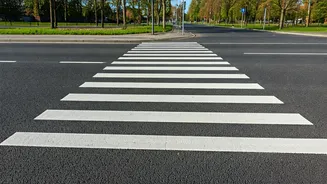
Table-top zebra crossings, also known as raised pedestrian crossings, are innovative road safety features. These crossings are designed to physically elevate the pedestrian crossing area above the level of the road. This design serves a dual purpose: it forces vehicles to reduce their speed and makes pedestrians more visible to drivers. The gentle slope leading up to the crossing and the subsequent descent ensure that vehicles can navigate the feature safely, provided they adhere to appropriate speeds. The distinct zebra stripes, combined with the elevated platform, create a highly visible and unmistakable pedestrian zone. This design is particularly effective in areas with high pedestrian traffic, such as near schools, hospitals, and commercial zones. The objective of using these crossings is to establish a clear expectation for both drivers and pedestrians, thereby enhancing the overall safety of the road environment.
Expanding Across Kerala
The implementation of table-top zebra crossings is planned to be systematically expanded across various districts within Kerala. The expansion plan involves a phased approach, starting with high-priority areas and gradually extending to other regions. This strategy ensures efficient resource allocation and maximizes the project's impact in areas where it is most needed. The choice of locations for these new crossings is based on multiple factors, including traffic volume, accident frequency, and proximity to places frequented by pedestrians. The Kerala government intends to ensure comprehensive coverage, including urban and rural areas, to bring uniform road safety standards throughout the state. The expansion project also includes upgrades to existing pedestrian crossings, where necessary. This all-encompassing strategy demonstrates the government's commitment to a safer road infrastructure for all residents.
Strict Action on Violators
To ensure the effectiveness of the table-top zebra crossings, the government plans to enforce strict measures against those who violate traffic regulations. The penalties are designed to deter speeding and non-compliance, thereby reinforcing the importance of pedestrian safety. The enforcement strategies involve a combination of surveillance and strict penalties. Traffic police will closely monitor the crossings and will issue fines to drivers who fail to adhere to the speed limits or fail to yield to pedestrians. The government intends to use technology to aid in enforcement, which includes the installation of speed cameras. Public awareness campaigns will also be launched to inform the public about the new regulations and penalties. The goal is to cultivate a culture of road safety where all road users understand and respect traffic laws. By implementing stringent penalties and rigorous enforcement, the Kerala government aims to ensure that the new zebra crossings are respected and effective.
Community Impact & Benefits
The introduction of the new zebra crossings is expected to generate significant positive effects on the community. The most immediate benefit is enhanced pedestrian safety, reducing the risk of accidents and injuries. This will positively influence the overall safety of roads and reduce the burden on healthcare services. Additionally, the crossings contribute to a more organized traffic flow, decreasing congestion and improving travel times. The visible presence of the crossings is likely to promote a sense of order and respect for traffic rules, creating a safer and more pleasant environment for all road users. Local businesses located near the crossings may also experience benefits, as safer pedestrian areas can encourage increased foot traffic and boost commerce. The initiative aligns with the broader goals of sustainable urban development, prioritizing human safety and well-being. It will create safer communities and also contribute to making Kerala a better place to live.