






A Sanctuary of Simplicity
Actor Gaurav Gera's Mumbai dwelling, located in Oshiwara, is more than just an apartment; it's a personal sanctuary that has been shaped over 28 years
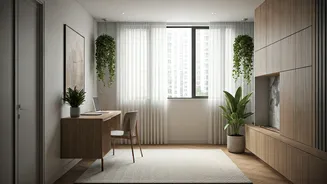
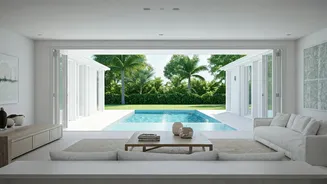
of residence. This space in Andheri, an area he considers home, embodies a philosophy of understated living. Instead of ostentatious displays, the apartment is characterized by its functional simplicity and deeply personal touches, creating an atmosphere of profound calm. Gera opted for a neutral color palette, predominantly white walls, and strategically placed indoor plants to foster a serene environment. His approach to furnishing involved replacing much of the existing furniture with practical, easy-to-manage pieces, notably from IKEA, prioritizing utility and a seamless flow throughout the layout. This deliberate choice in design reflects a desire for a home that is lived-in and authentic, rather than merely curated for appearances.
Personal Accents & Continuity
Within Gaurav Gera's minimalist abode, carefully selected personal elements imbue the space with character without creating clutter. These details speak volumes about his journey and attachments. For instance, fish motifs, acquired during travels to Thailand, are not just decorative; they symbolize good luck and aspiration, with their upward orientation holding personal significance for Gera. Beyond these symbolic items, the apartment showcases a dedication to continuity and emotional connection through the repurposing of furniture and the inclusion of everyday objects, such as kitchen utensils with minor imperfections like broken handles. Instead of discarding them, Gera retains these items, reflecting a mindset that values sentiment and history over pristine perfection. These cherished belongings contribute to a sense of enduring presence and personal narrative within the home.
Duality of Creative Space
While Gaurav Gera's living areas embrace a predominantly minimalist aesthetic, his personal environment features a striking contrast: a dedicated gadget and content room brimming with technology. This space vividly illustrates his passion for cutting-edge devices and creative pursuits, a stark departure from his general disinterest in material possessions like cars or excessive clothing. This duality highlights how a home can accommodate diverse needs and personalities. The presence of personal corners adorned with awards, cherished photographs, and significant memories further layers the apartment with emotional depth. This intentional design allows for both the practical demands of creative work and the solace of personal reflection, creating a versatile and psychologically supportive atmosphere.
Minimalism's Mental Boost
The psychological benefits of minimalist and clutter-free living spaces are significant, directly influencing mental clarity and emotional well-being. According to experts, such environments drastically reduce cognitive overload by minimizing constant visual distractions. This streamlined sensory input allows the brain to process information more efficiently, enhancing focus and mental acuity. Organized spaces are also linked to lower cortisol levels, the body's primary stress hormone, leading to a palpable reduction in stress and anxiety. Furthermore, a predictable and orderly environment fosters a sense of control, which is fundamental for maintaining emotional stability and an overall feeling of well-being. This deliberate reduction of external stimuli creates a more conducive internal state for peace and productivity.
Zoning for Well-being
The strategic division of a home into distinct zones for specific activities, such as work, relaxation, and creativity, plays a crucial role in achieving better mental balance. By creating clear spatial boundaries, the brain establishes contextual cues that aid in regulating attention and emotional states. When different areas are designated for particular functions, it minimizes role overlap and prevents mental fatigue that can arise from trying to switch between diverse tasks in the same space. For individuals engaged in creative fields, having dedicated zones can act as powerful psychological triggers, facilitating deeper immersion in their work and fostering a more fluid ideation process. This deliberate zoning enables more effective transitions between periods of intense productivity and restorative relaxation, optimizing both output and recovery.