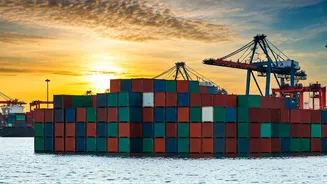

December's Deficit Deepens
India's trade deficit increased dramatically in December, reaching a substantial $25.04 billion. This figure represents a considerable shift from the preceding
month, where the deficit had contracted. The trade balance, which is the difference between the value of a country's exports and imports, plays a crucial role in the overall health of an economy. A widening deficit, as seen in December, means that India imported more goods and services than it exported during that time. This can influence factors such as the country’s currency value and its economic growth trajectory. The increased deficit prompts discussions about the nature of India’s trade relationships and the competitiveness of its domestic industries.
Five-Month Low Reversal
The trade deficit's expansion in December marked a reversal of the trend observed in the previous five months. Before December's increase, the deficit had been decreasing, indicating an improvement in India’s trade balance. This earlier period of decline offered a positive outlook on the economy, reflecting potentially stronger export performance or a decrease in import expenditure. The sudden shift in December underscores the volatility that can occur in global trade. Factors such as changing international demand, fluctuations in commodity prices, and shifts in currency exchange rates can all contribute to such fluctuations. Analysing the specific factors influencing imports and exports is crucial to understanding the reasons behind December’s deficit expansion.
Exports Show Modest Growth
Despite the widening trade deficit, the data indicates that exports experienced a modest level of expansion. Although imports outpaced exports, the fact that exports still grew demonstrates some strength within the Indian economy. This could suggest that certain sectors within the country are holding their ground or even growing. A detailed analysis is needed to identify the industries and products driving this growth, which could provide insights into areas where India has a competitive advantage in the global market. Furthermore, examining the destinations of these exports is critical to understanding the specific markets that are contributing to this growth and their future sustainability.
Services Trade Surplus
One of the key aspects of India's trade performance is its consistent surplus in the services sector. Trade in services includes activities such as information technology, business process outsourcing, and tourism. India's surplus in this area helps offset, to some extent, the deficit in merchandise trade (goods). The services sector's positive performance contributes significantly to the overall balance of payments, which is a broad measure of a country’s transactions with the rest of the world. The ongoing surplus in services underscores India’s strength in this sector and its crucial role in the country’s economic health, especially as the world moves toward a more service-oriented economy.
Key Partner Dynamics
Analyzing trade dynamics with key partner nations is important to understand the broader context of the widening trade deficit. Examining trade volumes and patterns with major partners can reveal crucial insights. Changes in trade relationships with key partners often reflect significant shifts in the global economic and political landscape. For example, trade agreements and tariffs can significantly impact the flows of goods. Examining the specific trade figures with prominent partner countries can provide a more in-depth understanding of the forces that drove the December deficit expansion, as well as providing clues to likely future trends and challenges.