






Initial Disagreement Erupts
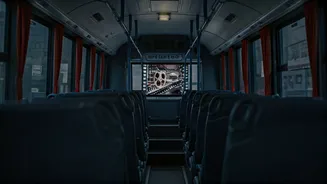
The air on the KSRTC bus crackled with tension when passengers discovered that a film featuring Dileep, who had been acquitted in the actress assault case,
was being screened. Their disapproval was immediate and vocal. Despite the crew's initial reluctance to comply with the passengers' demands to stop the show, the passengers persisted, making their objections known. The crew, facing mounting pressure and a growing chorus of disapproval, eventually paused the film. The incident quickly became a talking point, revealing the depth of feeling surrounding the case and its long-term effects on the public's perception of the actor and the justice system. The situation clearly demonstrated how deeply the issue resonated within the community and showcased the power of public expression and solidarity within a confined space like a bus.
Public Outrage Unfolds
The passengers' protest on the KSRTC bus was a direct reflection of the public's continued outrage and concern regarding the case. The case involved an actress's assault, with Dileep as a central figure, although he was later acquitted. The passengers' actions suggested that for many, the acquittal did not equate to exoneration. Their collective decision to challenge the film screening in a public space underscored the belief that screening the film was insensitive. It also indicated a rejection of the normalization of the actor's presence in public media. The event highlighted the significance of the case beyond the courtroom, touching upon issues of justice, public perception, and the power of individuals to collectively express their sentiments. The protest was not just about the movie; it was a visible statement regarding the enduring impact of the case on public consciousness and how deeply the controversy has impacted the community.
Crew's eventual action
The crew's decision to halt the film screening, while initially hesitant, was a practical response to the strong passenger disapproval. Faced with the determined protest and the likelihood of escalating disruption, the crew recognized the need to prioritize the safety and comfort of the other passengers. This decision not only prevented potential conflict but also acknowledged the strength of feeling exhibited by the passengers. It demonstrated an understanding of the prevailing sentiments regarding the issue. Ultimately, the crew's action underscored the influence of the passengers' collective voice and public opinion. The crew's ultimate decision to stop the show reflects their evaluation of the circumstances and recognition of the wider societal context surrounding the case, prioritizing peace over entertainment.
Broader Societal Implications
The incident on the KSRTC bus served as a microcosm of broader societal issues. It shed light on how cases involving public figures can deeply affect public opinion long after judicial pronouncements. This event illustrates the ongoing debates surrounding celebrity, justice, and how society responds to controversial legal outcomes. The passengers' protest revealed the need for more nuanced conversations about how the media portrays individuals involved in controversial cases. It underscored the importance of ensuring that such portrayals consider the sensitivity and the potential for causing further distress, especially regarding issues as emotionally charged as this one. The public reaction underscored the lasting influence of the case and its complexities on community values and beliefs, highlighting the need for continual public engagement and dialogue about justice, empathy, and social responsibility.