



The Hygiene Pouch Debate
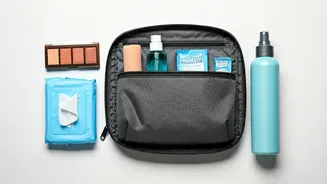
Actress Shweta Tiwari sparked a conversation about travel hygiene by sharing her comprehensive 'hygiene pouch' contents, which include gloves, tissues,
sanitiser, toilet seat covers, soap, and intimate wipes. This resonated with many women who prioritize cleanliness while navigating public restrooms during their journeys. However, the central question remains: from a medical perspective, how crucial is such an elaborate collection of products for ensuring genuine protection against infections? While convenience is undeniable, the accumulation of more items doesn't automatically translate to superior health safeguards. This article delves into expert opinions to clarify what constitutes truly essential hygiene practices versus optional additions that might offer psychological comfort but lack significant medical benefit. We aim to provide clarity on maintaining well-being without unnecessary reliance on a multitude of products.
True Essentials for Infection Prevention
Dr. Geeta Jain, Head of Gynaecology & IVF at Aastha Hospital, emphasizes that the cornerstone of preventing infections, especially during travel, is diligent hand hygiene. She highlights that readily available soap and water or a reliable hand sanitiser, coupled with clean tissues, are the most impactful tools for mitigating risks. While additional items like toilet seat covers or sanitising sprays might seem beneficial, Dr. Jain clarifies they are largely optional, as most infections are not transmitted through casual contact with toilet seats. The focus should remain on fundamental practices that effectively disrupt germ transmission pathways, rather than accumulating products that offer a false sense of complete security without addressing the primary modes of infection spread.
The Role of Sprays and Covers
Products marketed as 'pee-safe' sprays and disposable toilet seat covers are designed to act as protective barriers against germs. Dr. Jain acknowledges that these items can indeed reduce surface contamination and provide a sense of psychological reassurance for users. However, she cautions against an over-reliance on these products, particularly when it comes to intimate hygiene. While they might offer a reduction in immediate surface germs, they are not a definitive shield against all potential infections. The emphasis should be on understanding their limited scope of protection and recognizing that they do not replace more fundamental hygiene practices. Over-dependence on these can lead to a misunderstanding of how infections are actually contracted and prevented.
Intimate Wipes: A Double-Edged Sword
The regular use of intimate wipes, especially those containing fragrances or harsh chemicals, poses a significant risk to a woman's natural vaginal health. Dr. Jain explains that these products can disrupt the delicate pH balance and the crucial microbiome of the vagina. This vital ecosystem is comprised of beneficial bacteria that naturally protect against harmful organisms. When this balance is disturbed, it can lead to increased susceptibility to irritations, dryness, itching, and even recurrent infections. The vagina is a self-cleaning organ, and introducing excessive external products can upset its natural equilibrium, potentially causing more harm than good. For most women, simple cleansing with water, with minimal use of gentle products if necessary, is sufficient to maintain intimate health.