





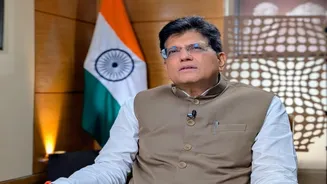


Budget 2026: Key Focus
The upcoming Budget 2026 is poised to be a pivotal moment for Indian Inc. It will need to address a myriad of challenges and opportunities. Global trade
wars and tailwinds, specifically, will significantly shape the budget's direction. Experts anticipate that the budget must navigate an environment marked by shifting geopolitical alliances, potential trade disputes, and the need for robust economic policies. This will be essential to sustain the growth momentum in the face of global economic uncertainties. There is anticipation for policies aimed at boosting investment, fostering job creation, and ensuring fiscal prudence. Furthermore, it is expected that the budget will outline strategies for enhancing India's competitiveness in the global market, particularly in sectors such as manufacturing and technology.
Global Economic Landscape
Davos 2026 showcased diverse viewpoints on global economic stability, including insights on borders, trade, and geopolitical stability. Experts like Jamie Dimon offered a pragmatic perspective. This context is important because global economic events directly impact India's financial health. Potential trade wars and tariff implementations, as noted by Howard Lutnick, could trigger reciprocal actions. The global environment creates significant headwinds for India's economy, as global trade is complex. The ongoing debate regarding China's dollar bond sales in Saudi Arabia, for example, illustrates the shifting financial dynamics. Such international developments will play a crucial role in shaping India's economic decisions and strategic priorities, particularly in relation to trade partnerships and investment attraction. The Indian government must, therefore, formulate policies that are robust enough to withstand the shocks of any event, and also take advantage of any opportunities.
Investment Strategies Examined
The recent acquisition spree by established companies like Reliance and L&T illustrates a strategic shift within the Indian business world. Aswath Damodaran's insights into these decisions are valuable, offering a perspective on the motivations behind acquisitions and their impact on market dynamics. These moves are often driven by factors such as market consolidation, expanding into new markets, and acquiring essential resources. These moves indicate a desire to strengthen market positions and drive long-term value creation. Such investment strategies will also influence the overall economic landscape, impacting growth, job creation, and industry competition. The ability of Indian companies to strategically invest and adapt will be crucial to its continued success. These strategic shifts will shape the future landscape of the Indian economy and provide critical insights into its trajectory.
Currency Dynamics Explained
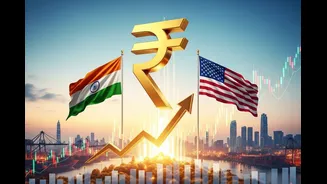
The relationship between the falling rupee and the Indian economy is a critical aspect of financial stability. A depreciating rupee can boost the competitiveness of Indian exports, making them cheaper for international buyers. This could lead to increased demand, thereby stimulating economic growth and creating jobs. However, a falling rupee also has downsides, such as increasing import costs, which could lead to inflation. The government and the Reserve Bank of India (RBI) must carefully manage the rupee's exchange rate to balance these competing factors. This is critical for sustaining economic growth, managing inflation, and ensuring that the Indian economy remains competitive in global markets. The rupee's fluctuations, therefore, have profound implications for various sectors of the economy, ranging from manufacturing to trade.
AI and Technological Growth
India's approach to Artificial Intelligence (AI) and technological advancements is central to its economic future. The response from Vaishnaw to the IMF's remarks highlights the nation's ambition to become a major player in AI and related fields. This ambition is supported by investments in infrastructure, talent development, and favorable government policies. Furthermore, technological progress is revolutionizing industries, creating new opportunities for growth, and enhancing productivity across the economy. However, it also presents challenges like the need for upskilling the workforce and addressing ethical concerns. The government's strategies to tackle these challenges and fully harness the potential of AI and technological advancements will play a vital role in determining India's future economic standing.
Trade and Global Affairs
India's engagement with international trade is a key component of its economic strategy. Global events and policy shifts, such as those discussed at Davos 2026, directly influence India's trade dynamics. Navigating trade agreements, managing import-export relations, and maintaining economic partnerships are critical for India's growth. In the context of global affairs, India must strategically position itself to foster trade relations and to secure its economic interests. The government must also navigate complex geopolitical scenarios to ensure that its trade policies are aligned with its long-term economic objectives. The way India manages its global relationships and trade policies will greatly shape its economic trajectory and global influence in the coming years.