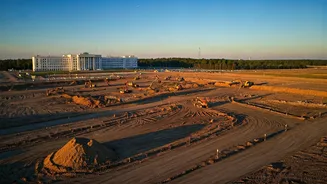








Land Acquisition Troubles
The development of the Sabarimala Airport, an endeavor initiated by the Indian government, hit a snag. The core of the problem rested on the unresolved
issue of land ownership for the proposed project site. This was a critical challenge that complicated the process from the onset. The government's plans for the airport were directly impacted by these ownership disputes, bringing forth a series of legal and administrative hurdles. These difficulties pointed towards the complexities involved in acquiring land for significant infrastructure projects, especially in areas where land rights might not be straightforward. The dispute highlighted the necessity for a meticulous approach, including detailed documentation, thorough verification processes, and transparent negotiations with concerned parties. The failure to secure clear ownership hampered the project's advancement, thereby affecting its intended timelines and objectives.
Ownership Rights Defined
Ownership rights, the fundamental legal concept, refer to the recognized rights a person or entity has over a particular parcel of land. These rights encompass the powers of possession, usage, and disposition of the property, within the bounds of law. In the context of the Sabarimala Airport project, the government's ability to proceed relied entirely on establishing these very rights. Without concrete evidence of ownership or an accepted pathway to acquire the land, the project could not move forward. The absence of clearly defined ownership was a significant concern that put the entire project at risk. The government had to demonstrate the ability to take control of the land legally to start construction and realize its vision. The issues could include contested claims, missing or incomplete documentation, and disagreements regarding compensation to affected landowners. Until these rights were definitively resolved, the project remained stuck.
Impact on Project Timeline
The land ownership setbacks significantly impacted the projected timeline for the Sabarimala Airport. Delays in land acquisition inevitably led to a postponement of the project's various phases, potentially delaying the completion and operation of the airport. The timeline was affected in several ways. The process of clarifying ownership, resolving disputes, and compensating landowners all took considerable time. These processes involved legal proceedings, negotiations, and administrative procedures, often stretching out over months or even years. Each delay had a ripple effect, causing associated activities to be pushed back too. This could include things like the initiation of construction work, tendering processes, and contracts with construction companies. Consequently, the delay in land acquisition also affected the overall budget and financial planning of the project. The longer the project took, the higher the possibility of increased costs due to inflation, revised material prices, and other logistical overheads.
Legal and Administrative Hurdles
The government’s pursuit of the Sabarimala Airport faced various legal and administrative hurdles. Land acquisition, in general, is a process fraught with legal complexity. This is particularly so when claims over ownership are unclear or contested. The government had to navigate a labyrinth of existing laws, regulations, and judicial precedents. This likely necessitated involvement from the legal department, which required preparing documentation, conducting title searches, and handling litigation if there were disagreements. Administrative procedures added to the complexity. This encompassed tasks like communicating with landowners, assessing land values, and organizing compensation. These procedures were designed to protect the rights of landowners but also imposed additional steps. Any disagreement or objection could result in protracted legal battles, further extending the overall timeline. The project's advancement was entirely dependent on successfully overcoming these legal and administrative difficulties.
Future Considerations and Solutions
For future infrastructure projects, including Sabarimala Airport, several considerations can help mitigate similar issues. Before initiating any project, a detailed land survey can be done. It is necessary to identify ownership, and resolve all claims early on. This can help prevent the delays experienced in the Sabarimala Airport project. A comprehensive legal review of all existing land records is crucial to ensure there are no surprises or hidden claims. The government should also proactively engage with landowners and stakeholders. This could involve open dialogues, transparency in the acquisition process, and fair compensation to build trust and prevent disputes. Furthermore, streamlining administrative procedures to reduce red tape and eliminate bottlenecks would quicken the overall process. By adopting these measures, the government can facilitate smooth land acquisition and ensure that projects are not held back.