
Collagen: The Basics
Collagen, the body's most abundant protein, is fundamental to maintaining skin elasticity and overall health. It acts as a structural component, providing
firmness and supporting the skin's ability to resist wrinkles and sagging. As we age, collagen production naturally declines, leading to the appearance of fine lines and a loss of skin firmness. The nutritionist's advice focuses on stimulating this vital protein in a natural way, emphasizing the importance of a holistic approach that includes diet, lifestyle, and potentially supplementation. Understanding collagen's role is the first step toward implementing strategies that maintain youthful skin. The strategies emphasize how to maximize the body's natural processes to generate and preserve collagen, thus improving skin health over time.
Dietary Recommendations
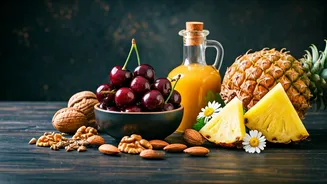
A balanced diet is pivotal in supporting collagen production. The nutritionist stresses the inclusion of specific foods known to boost collagen synthesis. Firstly, foods rich in Vitamin C, such as citrus fruits, berries, and bell peppers, are essential because Vitamin C is a crucial cofactor in the collagen production process. Secondly, foods containing amino acids like glycine and proline, found in bone broth and certain protein-rich sources such as chicken and fish, are critical components of the collagen structure. The diet should also include foods rich in antioxidants to combat oxidative stress, which can damage collagen. The inclusion of these food groups offers the building blocks and protection required for optimal collagen production. By concentrating on nutrient-dense foods, individuals can boost their skin's ability to renew and remain youthful.
Lifestyle Adjustments
Lifestyle choices significantly impact collagen levels. The nutritionist recommends several adjustments to enhance skin health. Adequate hydration is crucial; drinking enough water supports skin elasticity and helps the body process nutrients effectively. Protecting the skin from sun exposure is another vital factor, as UV rays can accelerate collagen breakdown. Using sunscreen daily and limiting time spent in direct sunlight are essential. Reducing stress, through practices such as yoga or meditation, is also advised, since chronic stress can negatively affect collagen production. Furthermore, getting enough sleep allows the body to repair and regenerate, which can benefit skin health and collagen synthesis. These adjustments ensure that the skin has the best chance to maintain its youthful appearance and function.
Supplements Considerations
While diet is the primary focus, the nutritionist acknowledges the potential benefits of supplements. Collagen peptides, often derived from animal sources, are a popular option, as they provide readily available amino acids that the body can use to synthesize collagen. Vitamin C supplements may also be beneficial, particularly for individuals who find it challenging to consume adequate amounts through diet alone. However, it's essential to consult a healthcare professional before starting any new supplement regimen. They can assess individual needs and recommend the appropriate dosages and types of supplements. A cautious and informed approach helps individuals ensure supplements complement their overall skincare strategy effectively and safely.
Holistic Approach Benefits
The overall approach recommended by the nutritionist emphasizes a holistic strategy for enhancing skin health. It's not just about one specific food or supplement but a combination of factors working together. Consistent implementation of dietary changes, lifestyle adjustments, and, if appropriate, supplementation provides the best results. Skin health improves as collagen production is optimized, offering benefits such as increased elasticity, reduced wrinkles, and a more vibrant complexion. Moreover, a focus on natural methods promotes overall well-being. By integrating these practices into daily routines, individuals can make long-term improvements in skin health and appearance, mirroring the radiant skin seen on celebrities like Katrina Kaif and Deepika Padukone.