
Rural Economic Transformation
Budget 2026-27 strategically positions rural diversification as a key driver for economic growth. The emphasis on fisheries and livestock underscores the
government's commitment to uplift the rural sector. This plan aims to move beyond traditional agricultural practices by promoting a more diverse and resilient rural economy. By focusing on fisheries and livestock, the budget seeks to create alternative income streams, enhance food security, and improve the overall quality of life in rural areas. This transformation is envisioned to be supported by targeted investments in infrastructure, technology, and skill development, ensuring a sustainable and inclusive economic model.
Fisheries Sector Boost
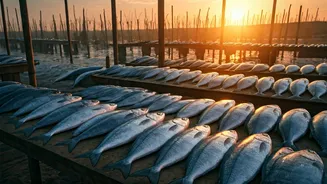
The fisheries sector is set for substantial enhancement under the Budget 2026-27. This initiative recognizes the untapped potential of India's vast aquatic resources to contribute significantly to rural income and food security. The plan includes investments in modernizing fishing infrastructure, such as ports and processing units. This aims to improve efficiency, reduce post-harvest losses, and ensure better market access for fishermen. Additionally, the budget is likely to support the adoption of advanced fishing techniques and sustainable aquaculture practices. These measures are designed to increase fish production, improve the quality of seafood, and provide fishermen with greater financial stability. Furthermore, it is expected that there will be a focus on capacity building and training programs to equip fishermen with the skills needed to thrive in a competitive market.
Livestock Development Strategy
Alongside fisheries, livestock development is a cornerstone of the rural diversification strategy. The Budget 2026-27 is expected to introduce comprehensive programs designed to enhance the productivity and profitability of the livestock sector. This includes measures to improve animal health, breed improvement programs, and increased access to quality feed and fodder. Furthermore, the plan is likely to facilitate the establishment of modern dairy processing units and support the development of value-added products. This strategy will allow farmers to earn more from their livestock by improving the health of their animals and improving the overall efficiency of the livestock production system. The government will also be focused on creating market linkages to ensure that livestock farmers can sell their products at fair prices.
Infrastructure and Support
A core component of the Budget 2026-27’s rural diversification strategy will be focused on strengthening rural infrastructure. This includes investments in cold storage facilities, transportation networks, and market infrastructure. This infrastructure is essential for the effective operation of both the fisheries and livestock sectors. Upgrading transportation networks, especially in remote rural areas, can facilitate the timely movement of produce to markets, minimize wastage, and enable farmers and fishermen to secure better prices for their goods. The support measures are expected to include financial assistance, subsidies, and credit schemes to make it easier for rural entrepreneurs to invest in the fisheries and livestock sectors. Such support can empower rural communities and accelerate economic growth.
Impact on Livelihoods
The targeted initiatives outlined in Budget 2026-27 are designed to significantly impact the livelihoods of rural communities across India. The emphasis on fisheries and livestock diversification will likely create new employment opportunities, improve income levels, and enhance overall living standards in rural areas. By enabling fishermen and livestock farmers to increase their production, reduce costs, and improve market access, the budget seeks to provide them with economic empowerment. This initiative is expected to boost entrepreneurship in rural areas, leading to the growth of small and medium-sized enterprises. This will strengthen the rural economy and generate sustainable livelihoods and contributing to reducing poverty and inequalities.