







The Genesis of Conflict
The legal drama between tech mogul Elon Musk and artificial intelligence pioneer OpenAI has reached a critical juncture, with jury selection commencing
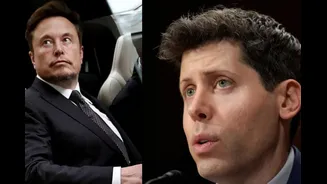
in Oakland, California. Presided over by Judge Yvonne Gonzalez Rogers, who notably characterized the dispute as a clash between prominent billionaires, this case centers on Musk's assertion that OpenAI has deviated significantly from its original charter. Musk contends that the organization, which he helped found, has abandoned its commitment to developing AI for the collective good, instead pivoting towards a commercially driven agenda, largely influenced by its substantial partnership with Microsoft. His lawsuit, filed in 2024, seeks to hold OpenAI accountable for this alleged shift, initiating a complex legal proceeding with considerable implications for the artificial intelligence industry.
Musk's Core Allegations
At the heart of Elon Musk's lawsuit is the accusation that OpenAI has fundamentally betrayed its foundational mission: to ensure that artificial intelligence serves humanity. Musk asserts that under the leadership of figures like Sam Altman and Greg Brockman, the organization has been steered away from its non-profit, open-source ethos towards a profit-centric model, significantly amplified by its deep integration with Microsoft. He claims to have personally contributed approximately $38 million during OpenAI's nascent stages, with the explicit understanding that its groundbreaking AI technology would remain accessible and focused on societal benefit. The lawsuit further alleges that Musk was misled regarding OpenAI's structural setup and ultimate objectives, having been persuaded to lend his support based on principles of safe, open AI development without commercial pressures. Consequently, Musk is pursuing damages totaling an estimated $134 billion and is also calling for the removal of Sam Altman from his CEO position, stipulating that any awarded compensation should be directed to OpenAI's non-profit division rather than himself.
OpenAI's Defense and Counterpoints
OpenAI has vehemently refuted Elon Musk's claims, reaffirming its unwavering dedication to its mission of creating artificial general intelligence (AGI) that benefits all of humankind. In its defense, the company has countered Musk's allegations by framing his legal action as a "harassment campaign," suggesting that his motivations are rooted in personal grievances and competitive interests stemming from his own AI ventures. OpenAI points to Musk's departure in 2018, citing disagreements over the extent of his desired control and influence within the organization, including proposals that were not accepted by other key co-founders like Greg Brockman and Ilya Sutskever. Furthermore, OpenAI has clarified that Musk's $38 million contribution was indeed a donation to its non-profit entity, utilized in accordance with its established mission, and argues that he is now attempting to retroactively reclassify this donation as an investment to claim ownership or financial recompense. This perspective positions Musk's lawsuit as an attempt to retrospectively gain control or benefit from his past support.
Broader Industry Ramifications
The legal contest between Elon Musk and OpenAI extends far beyond their personal dispute, carrying significant weight for the broader landscape of artificial intelligence development and corporate structures. The outcome of this high-profile trial could establish crucial precedents regarding the governance and operational models of AI companies, particularly those that have evolved from non-profit foundations to commercial enterprises. This intense legal battle brings to the forefront underlying tensions within the AI sector concerning issues of control over powerful technologies, the dynamics of funding, and the delicate equilibrium between prioritizing public good and pursuing commercial success. The proceedings will undoubtedly illuminate the complex ethical and structural challenges faced by organizations at the forefront of AI innovation as they navigate their responsibilities to society and their stakeholders.