




Adapting to Supply Gaps
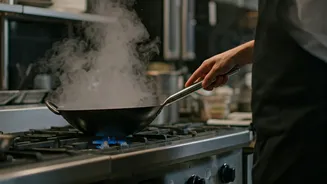
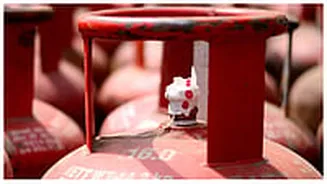
The Indian culinary landscape is demonstrating impressive resilience in the face of recent disruptions to commercial LPG cylinder supplies. Many restaurants,
particularly smaller establishments that heavily rely on gas-based cooking and operate with tighter financial margins, initially experienced a noticeable dip in orders, estimated between 5% and 10%. This impact was most pronounced for dishes that traditionally require extensive LPG preparation. However, the situation is beginning to stabilize as eateries proactively adjust their operations and refine their offerings to cope with these supply constraints. The industry's ability to pivot demonstrates a strong capacity for innovation when faced with external challenges.
Embracing Alternative Cookware
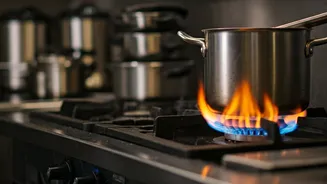
In response to the scarcity of LPG, a significant number of restaurants are thoughtfully redesigning their menus and integrating new cooking technologies. This involves a strategic removal of certain menu items that are particularly LPG-dependent, alongside a decisive shift towards alternative cooking methods. These include the adoption of induction cooktops, the revival of traditional wood-fired stoves, and the utilization of electric ovens. This transition allows establishments to continue serving a wide array of dishes while circumventing the limitations imposed by the LPG shortage, ensuring that customer expectations for variety and quality are met.
Industry Support Systems
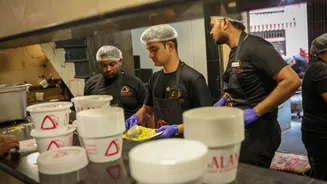
To bolster its partner restaurants through this challenging period, a food delivery platform is providing invaluable AI-powered, real-time insights into order volumes. This enables eateries to optimize their preparation processes and manage their resources more effectively, thereby mitigating the impact of the supply issues. Furthermore, plans are in motion to distribute induction cooking stoves to approximately 10,000 of the most affected restaurant partners in the coming days. This initiative aims to equip these businesses with the necessary tools to sustain their operations and consistently meet customer demand, highlighting a collaborative effort to overcome the crisis.
Broader Energy Adjustments
The ongoing energy disruption, linked to geopolitical events in West Asia, has prompted broader governmental and industry-wide adjustments. For household use, kerosene has been temporarily reintroduced, while hotels and restaurants have received permission to utilize alternative fuels such as coal and biomass. Environmental regulatory bodies have sanctioned the use of biomass, refuse-derived fuel (RDF) pellets, and coal for these establishments for a one-month period. Additionally, oil marketing companies are committed to allocating 20% of the average monthly commercial LPG demand to ensure that essential businesses maintain consistent supplies during the shortage, showcasing a multi-faceted approach to energy security.
Signs of Recovery
Industry analysts are observing a positive trend as the combined efforts of businesses and authorities begin to yield results. Coordinated strategies are effectively stabilizing operations across the restaurant sector. Early indicators suggest that consumer demand for dining out and ordering in is gradually returning to its pre-disruption levels. This recovery is attributed to the proactive measures taken by restaurants to adapt their cooking methods and menu offerings, coupled with supportive measures from energy providers and platforms. The sector's inherent flexibility and quick response are key factors in navigating this temporary energy challenge.