






Alpine Meadows' Nectar
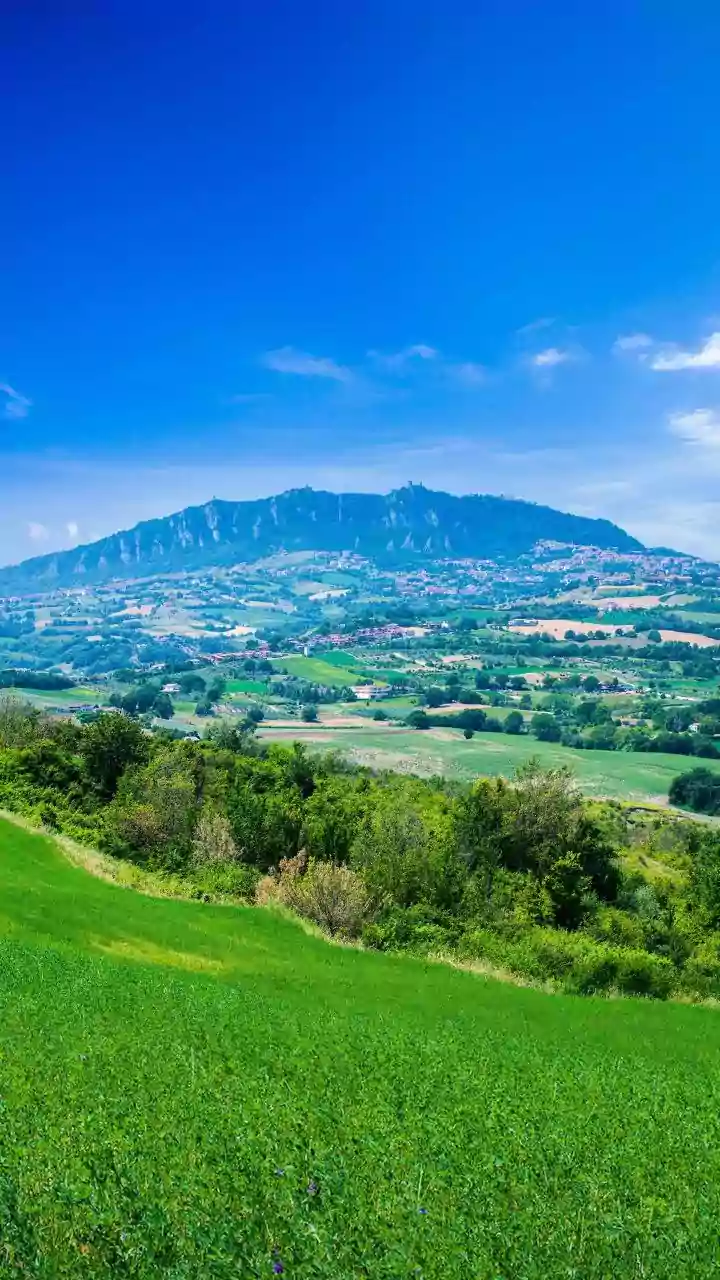
The Hallstatt Region in Austria boasts an abundance of exquisite alpine honey, a direct result of its pristine mountain meadows teeming with diverse wildflowers.
Local beekeepers skillfully harvest this delicate, floral-infused honey, a testament to the unpolluted natural environment. The bees forage amidst breathtaking alpine landscapes, contributing to a light-hued and wonderfully fragrant honey that captures the essence of the Austrian Alps. This region's commitment to traditional practices ensures the purity and distinct character of its renowned honey, making it a sought-after delicacy for those appreciating nature's finest sweetness.
Himalayan Mountain Gold
Venturing into the foothills of the majestic Himalayas, Kangra Valley in India emerges as a significant producer of raw, organic honey. The unique microclimate and varied mountain flora provide bees with a rich and diverse nectar source. This results in honey that is not only deeply flavorful but also recognized for its inherent natural medicinal properties. The beekeeping practices here are deeply integrated with the natural ecosystem, yielding a product that is pure, unprocessed, and carries the authentic taste of the Indian mountains. It's a true gift from nature, celebrated for its taste and wellness benefits.
Ancient Thyme's Aroma
Mount Hymettus, a well-known peak situated conveniently near Athens, Greece, is globally acclaimed for its distinctive thyme honey. The mountain's rugged terrain is adorned with a profusion of wild herbs and fragrant thyme, which the bees diligently visit to collect nectar. This specific floral diet imbues the honey with a remarkably rich aroma and a beautiful golden hue, making it a sensory delight. Its legacy dates back to ancient Greek times, where it was already prized for its exquisite taste and aromatic qualities, connecting modern connoisseurs to millennia of appreciation for this unique varietal.
Mangrove's Salty Sweetness
The vast mangrove forests of Sundarbans, straddling India and Bangladesh, are the origin of a truly unique and highly prized wild honey. Local communities, known as 'mouals', undertake daring expeditions deep into the dense mangrove ecosystems to harvest this special nectar. The honey is derived from the blossoms of mangrove trees, giving it a characteristic darker color and a subtly salty-sweet flavor profile that sets it apart from other honeys. Its distinctive taste and the adventurous harvesting methods contribute to its considerable value and mystique among honey enthusiasts.
Tasmania's Rare Blossom
Tasmania, Australia's island state, is the exclusive source of the exceptionally rare and sought-after Leatherwood Honey. This premium honey is produced from the delicate blossoms of the ancient leatherwood trees, which flourish in Tasmania's pristine rainforest regions. The honey offers a profoundly unique flavor, characterized by a spicy floral undertone that is both complex and captivating. Its rarity, coupled with its distinctive taste, has elevated Leatherwood Honey to a coveted status among gourmands and honey aficionados worldwide, representing a true taste of Tasmanian wilderness.
Mayan Stingless Bee
The Yucatán Peninsula in Mexico holds a significant place in the world of honey production due to its native stingless bees, specifically the Melipona beecheii. For centuries, Mayan communities have meticulously cultivated these bees, a tradition deeply woven into their cultural heritage. The honey produced by these bees is rare and possesses a unique characteristic: a slightly sour yet medicinal taste, making it highly valued not just for its flavor but also for its purported therapeutic properties. This ancient practice continues to yield a special honey that is a testament to the region's rich biodiversity and indigenous knowledge.