







Sponges: A Germ Haven
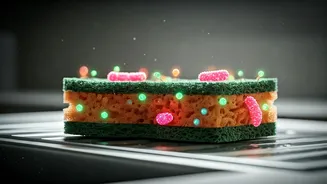
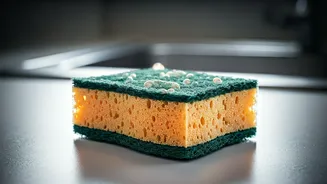
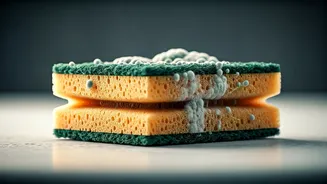
Kitchen sponges, indispensable tools for cleanliness, paradoxically become prime environments for bacterial proliferation. Their porous nature and constant
exposure to moisture and food remnants create an ideal ecosystem for microbial growth. These conditions allow millions of bacteria to thrive within a single sponge. Without regular cleaning and timely replacement, these microbes can easily transfer to dishes, utensils, and kitchen surfaces, posing a significant risk of contamination. The warmth and dampness inherent to a used sponge accelerate this process, transforming a cleaning implement into a potential health hazard if not managed with diligence.
Cross-Contamination Risks
The act of washing dishes with a contaminated sponge can inadvertently spread harmful bacteria from raw foods to clean utensils and surfaces. Pathogens like Salmonella and E. coli, commonly found in raw meats, seafood, and unwashed produce, can easily adhere to sponge fibers. When this bacteria-laden sponge then touches other items, it facilitates cross-contamination. This transfer can escalate the likelihood of foodborne illnesses, especially if cooking or cleaning practices are not stringent. Maintaining impeccable hygiene is paramount to preventing the silent spread of these dangerous microorganisms throughout the kitchen environment.
Disinfection Methods
While many believe microwaving or boiling sponges effectively sterilizes them, these methods, though beneficial, may not eradicate every single germ. Heat does significantly reduce bacterial populations, but some resilient microorganisms might survive, particularly in heavily soiled sponges. To mitigate bacterial load, experts suggest microwaving a damp sponge for approximately one minute or immersing it in extremely hot water. These techniques can greatly diminish the number of harmful microbes present, offering a more hygienic cleaning tool, though complete sterilization may be elusive.
Replacement Schedule
Consistent cleaning and prompt replacement are the cornerstones of maintaining a hygienic kitchen, with sponges playing a critical role. It is advisable to frequently wash or disinfect your sponge. Furthermore, replacement should occur every one to two weeks, contingent upon its usage frequency. Any sponge exhibiting an unpleasant odor or visible signs of wear and tear should be discarded immediately. Adhering to this schedule ensures that your cleaning tool remains effective and does not inadvertently contribute to household germ accumulation.
Beyond Mild Illness
While most bacterial infections from kitchen sponges manifest as mild gastrointestinal distress, such as vomiting, diarrhea, or stomach cramps, rare but severe complications can arise. In vulnerable populations, including the elderly, young children, or individuals with compromised immune systems, infections from bacteria like E. coli or Salmonella can escalate to affect vital organs like the kidneys. Minimizing these risks involves vigilant kitchen sanitation, regular sponge replacement, and diligent food handling practices to protect your household's well-being.