






The Mango's Plight
Unseasonal rainfall has created a significant hurdle for India's mango production, jeopardizing the yield of the 'king of fruits'. This unexpected weather
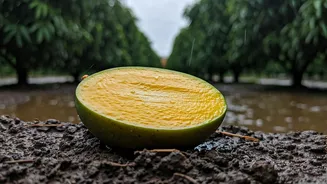
has disrupted the natural growth cycle of mango trees, interfering with flowering, fruit setting, and ripening. The timing and intensity of rainfall are key factors in determining the mango crop's health. Heavy rains during flowering can wash away pollen, decreasing fruit set. Rainfall near the ripening stage can lead to fruit rot, reducing the quantity and quality of the harvest. These impacts are a stark reminder of the close relationship between climate and agriculture, demonstrating how unpredictable weather events can severely damage a significant sector of the Indian economy.
Impact on Farmers
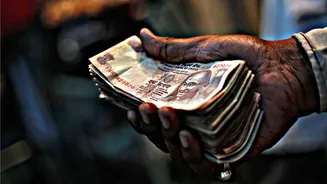
The impact of unseasonal rainfall on mango production extends to the livelihoods of farmers. Growers who invest significantly in their orchards are now facing potential financial setbacks. The reduced yield caused by the weather directly affects their income, placing them under economic stress. Farmers must also contend with extra expenses, such as combating diseases and pests, which are often exacerbated by humid conditions. They may also need to implement costly mitigation strategies, like advanced irrigation systems or protective covers, to shield their crops from future climate events. The unpredictable nature of the weather makes it more difficult for farmers to plan and invest confidently in their orchards, contributing to broader anxieties about the future of mango farming in India.
Consequences for Consumers
The effects of unseasonal rainfall also ripple outward, influencing the consumers. A decrease in mango production can result in increased prices, making the 'king of fruits' less accessible and affordable for some. The quality of available mangoes may also be affected, with imperfect fruit or decreased flavor and texture. Furthermore, disruptions in the supply chain, as a result of weather-related transportation difficulties, could further drive up costs and decrease availability in local markets. This creates a challenging situation for consumers who traditionally look forward to the mango season, since they may have to pay more for fruit that is less abundant and potentially of lower quality. These occurrences highlight how climate change affects food security and consumer economics.
Looking Ahead
As climate change becomes more pronounced, the frequency and intensity of unpredictable weather patterns are expected to rise, requiring action. This challenge necessitates proactive measures to assist mango farmers and stabilize the market. There's a critical need for innovative farming methods that improve the ability of mango trees to handle weather-related stress. Investments in climate-resilient farming, along with better weather forecasting, are essential for early warning systems. Promoting sustainable practices, such as water conservation and efficient irrigation, will play a crucial role in improving resilience. Support for farmers, by means of insurance schemes and financial assistance, can alleviate the financial strain from weather-related damage. Addressing these challenges is crucial to protect the Indian mango industry for the future, ensuring both farmers and consumers continue to enjoy the 'king of fruits'.