
Market Overview
Gold rates in India are subject to a complex interplay of international and domestic forces. Global events, such as economic shifts in major economies
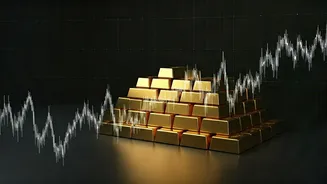
like the United States and China, often influence the price of gold, a haven asset. A strong dollar can make gold more expensive for those holding other currencies, which can affect demand. Conversely, economic uncertainties or geopolitical tensions typically boost gold prices as investors seek safer investment options. Simultaneously, the Indian market sees the impact of local factors. The demand for gold during festive seasons, the strength of the Indian rupee against the dollar, and import duties all play significant roles. These varied factors create a dynamic environment for gold prices, making them a significant barometer of economic health and investor sentiment within India.
Global Influences
International happenings are key drivers of gold price movements in India. The strength of the US dollar significantly affects gold's pricing; a robust dollar frequently leads to higher gold prices for Indian buyers. Economic indicators from prominent nations, including manufacturing figures and employment data, add another layer of complexity. If economic indicators suggest global instability, investors often turn to gold, elevating its value. Geopolitical occurrences, such as wars or political upheaval, also cause investors to view gold as a safe investment, increasing demand and price. Understanding these global trends is crucial for assessing gold price behavior in India, highlighting the interconnectedness of the global financial system and its impact on the local market.
Domestic Factors
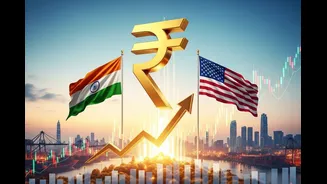
Within India, local conditions critically shape gold prices. The festive seasons, such as Diwali and Dhanteras, see a substantial increase in gold demand as people traditionally purchase gold for investment and gifting purposes, thereby pushing prices up. Currency exchange rates are another vital factor; the value of the Indian rupee compared to the US dollar directly impacts gold prices. A weaker rupee raises the cost of imported gold. Import duties and taxes imposed by the government also affect the final price, contributing to the cost for consumers. Furthermore, the local demand and supply dynamics, influenced by consumer sentiment and the availability of gold in the market, further mold pricing. These elements highlight how domestic forces and international circumstances interact, creating the framework for gold prices in India.
Investment Perspectives
Investing in gold is a key financial decision for many Indians. Investors should keep in mind that gold provides both opportunities and risks. It is often regarded as a hedge against inflation and a safe haven during economic instability, making it a reliable store of value in turbulent times. Investors can acquire gold in numerous forms, including physical gold (coins and bars), gold ETFs, and gold mutual funds. Each option has its own characteristics, such as liquidity, storage needs, and associated costs. Before investing, individuals should thoroughly consider their financial goals, risk tolerance, and the current market conditions. Seeking advice from financial advisors can help one to make informed decisions and align the investment strategy with individual financial objectives.
Price Trends Analysis
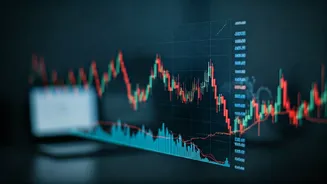
To analyze price trends, one must track gold's historical performance. By studying past patterns, investors and analysts can recognize recurring market behaviors and anticipate future movements. Tools such as charts and graphs help in visualizing price changes over specified periods, identifying areas of support and resistance and indicating overall trends (upward, downward, or sideways). The technical analysis employs indicators like moving averages and relative strength index (RSI) to recognize potential entry and exit points for investments. Fundamental analysis, which focuses on economic, political, and social elements affecting gold prices, is also crucial. Combining technical and fundamental insights gives investors a more comprehensive grasp of market dynamics and helps in making well-informed investment decisions based on evidence.
Future Outlook
Forecasting gold prices involves reviewing global economic forecasts and domestic policy adjustments. Economic predictions from international financial organizations, such as the IMF and the World Bank, are vital. They provide insights into economic growth, inflation rates, and monetary policies, all of which directly affect gold prices. Government policies in India, including import duties and tax regulations, additionally shape the market outlook. Investors and analysts monitor geopolitical events and any related tensions closely, as these can significantly influence safe-haven asset demand. Considering these factors together helps to estimate future price trends. Regular reviews of market analyses, economic updates, and potential risks, like changes in currency values or interest rates, are necessary for anyone involved in the gold market.