






Foot Swelling Clues
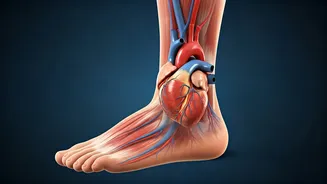
Persistent puffiness in your feet and ankles, particularly if it develops in the evening and lingers into the morning, could signal peripheral edema. This
condition involves the accumulation of excess fluid in your lower extremities, leading to a feeling of tightness, heaviness, and sometimes restricted movement. While often associated with cardiovascular issues, it's crucial to note that prolonged sitting, excessive salt consumption, or even kidney and liver dysfunction can also be contributing factors. The key takeaway is consistency; if the swelling doesn't subside, it warrants further medical investigation, as it can be an indicator that your heart isn't effectively managing fluid balance.
The Chilling Truth
Experiencing unusual coldness in your feet, even when the surrounding environment is warm, might be more than just a personal discomfort. This symptom can be a subtle manifestation of peripheral artery disease (PAD), where the arteries supplying blood to your limbs become narrower. This reduced blood flow can also manifest as leg pain during walks, a sensation of numbness, or a noticeable delay in wound healing. However, it is important to differentiate between occasional cold feet and a persistent, unexplained chill. When coupled with other concerning symptoms, this coldness becomes a significant signal that necessitates medical attention to assess your circulatory system.
Leg Hair's Message
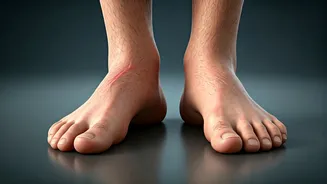
The loss of hair on your legs and feet, especially when accompanied by skin that appears unusually smooth and shiny, can be a less obvious but meaningful indicator of compromised circulation in your lower extremities. This phenomenon occurs because diminished blood flow deprives the hair follicles of essential oxygen and nutrients, gradually leading to a cessation of hair growth. While this symptom often goes unnoticed in its early stages, its presence, particularly when observed alongside other signs such as cool skin or weak pulses, can point towards underlying vascular problems that require a professional diagnosis.
Unhealed Wounds Concern
A wound on your foot or leg that stubbornly refuses to heal for several weeks is a significant red flag that should not be ignored. This prolonged delay in healing is strongly linked to blocked arteries or peripheral artery disease, conditions where constricted blood flow severely impedes the body's natural repair processes. Insufficient circulation means that the vital oxygen and nutrients required for tissue regeneration are not reaching the affected area, dramatically increasing the susceptibility to infection. Dr. Gupta stresses that such delayed healing significantly heightens the risk of developing serious complications like ulcers or further tissue damage.