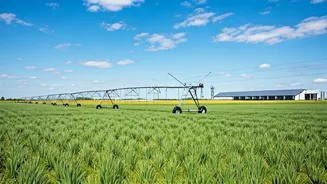

Tech-Driven Transformation
The Indian agricultural landscape is undergoing a transformation, primarily driven by the imperative to integrate cutting-edge technologies. The push for a tech-driven
approach underscores a strategic understanding of the need to increase efficiency and productivity across the entire agricultural value chain. This strategy incorporates precision farming techniques, data analytics, and the utilization of the Internet of Things (IoT) to optimize resource allocation and enhance crop yields. The aim is not just to modernize existing practices, but to fundamentally reimagine how farming is conducted, fostering an ecosystem where innovation and sustainability go hand in hand. The implementation of digital tools aims to reduce input costs, minimize environmental impact, and provide farmers with improved access to information, markets, and financial resources. This shift suggests a proactive effort to equip the agricultural sector with the necessary tools to confront the challenges of a changing climate and evolving consumer demands, with the ultimate goal of improving farmer incomes and securing India's food supply.
Green Infrastructure Focus
Alongside technological advancements, a significant focus is being placed on developing green infrastructure. This strategic emphasis recognizes the critical role that environmentally sustainable practices play in securing the long-term viability of agriculture. It goes beyond simply incorporating eco-friendly methods; it advocates for the implementation of renewable energy sources, water management systems, and climate-resilient farming techniques. This approach aims to reduce the sector's carbon footprint and enhance its resilience to the effects of climate change, such as erratic weather patterns and water scarcity. Investment in green infrastructure is also viewed as a means to improve soil health, conserve natural resources, and promote biodiversity. By integrating green practices, the agricultural sector aims to not only boost productivity but also improve the environmental performance, contributing to broader sustainability goals. This shift supports the agricultural sector's ability to maintain its role in economic development while conserving the resources that it needs to thrive.
Structural Reforms Needed
To fully leverage technology and green infrastructure, the agricultural sector recognizes that significant structural reforms are essential. This is seen as a way to address inherent inefficiencies and bottlenecks that impede progress. The focus is on streamlining regulations, improving market access, and strengthening support systems for farmers. This involves initiatives such as reforming land tenure, enhancing access to credit and insurance, and promoting value addition through the establishment of processing facilities. The goal is to create a more competitive and inclusive agricultural ecosystem that can attract investment, encourage innovation, and enhance the profitability of farming. These reforms are seen as a critical step in building a resilient agricultural sector that can adapt to changing market conditions and ensure food security for all Indians. By addressing these structural issues, the sector aims to unlock its full potential and contribute significantly to the country's economic growth and social well-being.
Dairy Sector Support
Within the agricultural sector, the dairy industry is actively seeking focused support. This particular industry is significant to both the economy and the nutritional needs of the country. This involves requests for financial assistance, infrastructure development, and technology upgrades tailored to the unique requirements of dairy farming. The dairy sector aims to boost productivity, enhance milk quality, and strengthen supply chains. Specifically, it seeks investment in cold storage facilities, improved transportation networks, and research and development to improve animal health and optimize milk production processes. This focus highlights the sector’s recognition of the need for specialized attention to ensure long-term viability. The dairy sector, as a key player in rural economies, is requesting support to maintain its competitiveness. This will allow the sector to keep up with the rising demand, thereby supporting both the livelihoods of dairy farmers and the overall nutrition profile of the population.