





Supply Woes Explained
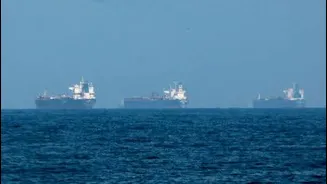
India's cooking gas supply is under strain, primarily due to escalating geopolitical tensions in the Strait of Hormuz, a critical global energy transit
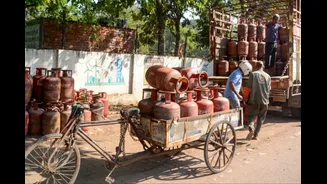
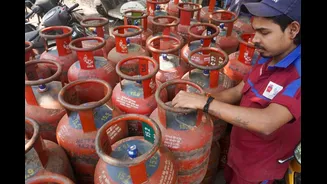
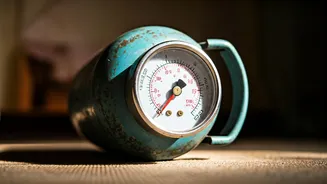
route. These disruptions have significantly hampered the import of Liquefied Petroleum Gas (LPG), a vital commodity for millions of Indian households. In response to this looming shortage, state-run oil marketing companies are contemplating a novel strategy: reducing the amount of gas dispensed into the familiar 14.2 kg cylinders. The core objective of this measure is to conserve the limited available stock, thereby extending its reach to a greater number of consumers during this challenging period. Officials have assured that any cylinders filled with a reduced quantity, reportedly around 10 kg, will be clearly marked to avoid consumer confusion and that their prices will be adjusted downwards proportionally to reflect the lesser volume of gas. This proactive approach highlights the severity of the import slowdown and its direct impact on the nation's energy security, as approximately 60% of India's LPG demand is met through international sourcing.
Household Impact Assessment
The potential shift to 10 kg refills within 14.2 kg cylinders carries direct implications for daily household routines. Typically, a full 14.2 kg cylinder provides cooking fuel for an average Indian family for approximately 35 to 40 days. With the proposed 10 kg allocation, authorities estimate that the gas would still suffice for close to a month, enabling families to continue their basic cooking activities. This strategic reduction aims to ensure that available LPG is distributed more widely, preventing a complete halt in supply for a significant portion of the population. However, the practical implementation of this plan is not without its hurdles. Bottling facilities will need to undergo recalibration of their filling systems, and regulatory bodies may need to grant specific approvals before such a change can be legally enacted. Industry observers have also raised concerns, suggesting that this modification could lead to consumer confusion and potentially trigger public discontent or political criticism if the communication around the change is not handled with utmost clarity and transparency.
Government's Crisis Management
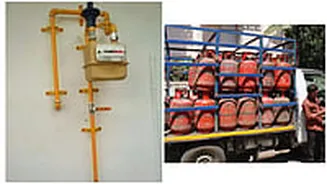
The Indian government is actively implementing measures to mitigate the impact of the cooking gas supply crunch. Recognizing the strain on LPG resources, city gas distribution companies have been directed to prioritize the supply of piped natural gas to commercial entities. This strategic re-allocation aims to relieve pressure on the LPG meant for domestic use, ensuring that household cylinders are not further depleted by commercial demands. While officials have acknowledged the 'worrisome' nature of the global supply situation, they have also reassured the public that domestic supply channels remain stable for the present moment. The proposed distribution of reduced LPG quantities underscores the gravity of the current import challenges and vividly illustrates India's susceptibility to global energy market volatilities. Should this plan be enacted, it would represent a significant departure from established distribution norms, prioritizing broad accessibility over full-volume provision during an emergency. The final decision rests on a careful evaluation of logistical feasibility, economic impacts, and the potential public reception.